
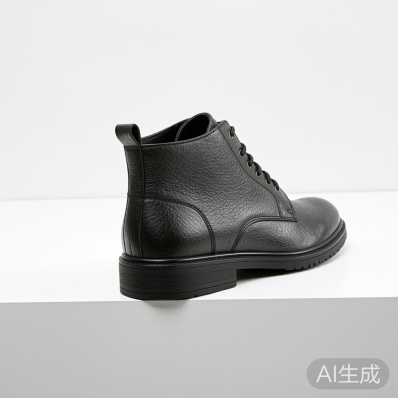
Worry-Free Export: Internationally Certified Anti-Mold Solutions for Footwear
Internationally Certified Anti-Mold Solutions for Footwear Ensuring Worry-Free Export
Recently, many regions have experienced prolonged rainy weather with persistently high air humidity, posing a significant challenge for brand companies, foreign trade enterprises, and factories: frequent mold growth on raw materials and products. This issue not only severely impacts product quality but may also lead to delivery delays, causing substantial economic losses and reputational damage to businesses. So, how can we effectively address the anti-mold challenge for footwear and ensure smooth exports?
Root Causes of Mold Growth on Raw Materials and Products
In humid environments, mold spores thrive on footwear raw materials and finished products rich in organic matter. Common footwear materials such as leather and fabric provide ample nutrients for mold growth. When environmental humidity exceeds 60% and temperatures range between 20-30°C, mold proliferates rapidly, leading to mold spots, discoloration, and even unpleasant odors on footwear surfaces, significantly compromising product appearance and quality.
Key Steps for Handling Moldy Footwear
If footwear has unfortunately developed mold, timely and proper handling is crucial:
Gently clean mold spots on the footwear surface with a soft brush
Use bester Anti-Mold Wipes to remove residual mold
Place the footwear in a well-ventilated area to dry thoroughly
Note: Apply moderate pressure during cleaning to avoid scratching the surface ensure thorough wiping inside and out.
Preventive Strategies for Non-Moldy Footwear
For footwear that has not yet developed mold, preventive measures are equally important:
Combine the use of bester Anti-Mold Sheets and biochemical desiccants
Anti-mold sheets inhibit mold spore growth, while biochemical desiccants reduce environmental humidity
Place the 1+1 configuration inside footwear packaging
This anti-mold and moisture-proof combination is internationally certified, safe, and reliable, posing no harm to footwear materials or human health.
Establishing a Long-Term Anti-Mold Management System
Warehouse Environment Management
Install humidity monitoring devices to track humidity changes in real-time
Take timely ventilation and dehumidification measures when humidity exceeds standards
Regular Inspections and Training
Conduct periodic inspections of raw materials and finished products
Enhance employee training on anti-mold knowledge
Ensure strict implementation of anti-mold measures at every stage
Amid frequent humid weather, anti-mold measures for footwear are urgent. By promptly addressing moldy footwear, implementing preventive measures for non-moldy products, and establishing a long-term anti-mold management system, brand companies, foreign trade enterprises, and factories can effectively tackle mold-related challenges, ensure export product quality, and achieve stable business growth.
The above methods and approaches are for reference only, and actual procedures may vary depending on specific circumstances. To ensure accuracy and effectiveness, we recommend contacting besters professional team for tailored guidance and support.—bester Anti-Mold Sheets