
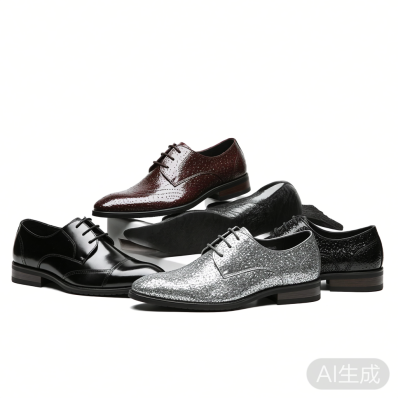
Why Do Your Leather Shoes Always Get Moldy in the Warehouse? Unveiling Effective Anti-Mold Secrets
Recently, extreme weather conditions alternating between heavy rain and high temperatures have caused headaches for many shoe factories and foreign trade companies—leather shoes in warehouses frequently develop mold, not only affecting product quality but also potentially leading to order returns and damage to brand reputation. Why does mold persist despite basic moisture-proof measures? Today, we will delve into the core reasons behind mold growth in leather shoe storage and provide a proven, efficient anti-mold solution to help brands, manufacturers, and foreign trade companies effectively resolve this issue.
Problem: Why Are Leather Shoes in Warehouses Particularly Prone to Mold?
The primary materials of leather shoes—leather, glue, textiles, etc.—are rich in proteins and oils, making them an ideal nutrient base for mold growth. Warehouse environments often present the following high-risk factors:
Uncontrolled Humidity: When relative humidity (RH) exceeds 65%, mold spores multiply rapidly. During the rainy season or after heavy rainfall, warehouses without professional dehumidification equipment may see humidity levels soar above 80%, leading to widespread mold on leather shoes.
Poor Ventilation: Overly dense stacking of goods, proximity to walls (<50cm), or lack of moisture-proof pallets on the floor can obstruct airflow, creating localized high-humidity environments.
Condensation Due to Temperature Differences: In regions with significant day-night temperature variations, water droplets may condense on warehouse walls or metal shelves, dripping directly onto shoe boxes and triggering mold growth.
Single Anti-Mold Measure: Using only desiccants (moisture absorption) or anti-mold sachets (antimicrobial) alone cannot provide comprehensive protection. Mold can survive in humid environments, while residual spores in dry conditions can revive when exposed to moisture.
Solution: A Four-Step Scientific Anti-Mold Approach
1. Humidity Control: Reducing Mold Growth Conditions at the Source
Install Industrial Dehumidifiers: Maintain warehouse humidity at a stable 40-50% RH (the safe humidity level for leather), preferably using smart models with humidity sensors for automatic adjustment.
Optimize Goods Placement:
Use pallets to elevate goods ≥15cm above the floor and ≥50cm from walls to ensure air circulation.
Avoid stacking shoe boxes directly adopt a grid arrangement to increase ventilation gaps.
2. Dual Protection: Bactericidal + Moisture Absorption Are Essential
Anti-Mold Sachets (Antimicrobial): Hang 1 sachet per 10㎡ of warehouse space to continuously release anti-bacterial agents, inhibiting mold spores in the air (effective for 6-12 months).
Biochemical Desiccants (Moisture Absorption): Place 2 packs (10g each) per box of leather shoes, with a moisture absorption rate ≥200%, ensuring internal shoe box humidity ≤60%.
3. Regular Monitoring: Early Warning of Mold Risks
Temperature and Humidity Data Loggers: Deploy devices in different warehouse areas (especially corners and low-lying spots), setting humidity alarm thresholds (>60% triggers).
Monthly Inspections: Check if anti-mold sachets are expired (replace if color fades) or desiccants are saturated (replace if granules clump).
4. Emergency Response: Quick Salvage of Mold-Affected Products
Mold-Removal Cloth Wiping: If mold spots appear on individual shoes, wipe them immediately with a mold-removal cloth in one direction (to avoid spreading mold), then replace the anti-mold sachets and desiccants in the shoe box.
Isolate Damp Goods: Severely mold-affected batches should be stored separately to prevent cross-contamination.
Key Benefits: Low-Cost, Long-Term Anti-Mold
Controllable Costs: Anti-mold costs per pair of leather shoes are approximately ¥0.3-0.5, far lower than return losses (average handling cost for moldy shoes ≥¥20/pair).
International Compliance: The solution meets ASTM D4576 anti-mold testing standards, satisfying the requirements of European and American brand inspections.
Easy Implementation: No warehouse modifications needed, suitable for quick adoption by small and medium-sized shoe factories.
Conclusion
Preventing mold on leather shoes is not a one-time fix but requires systematic management. By combining humidity control + dual protection + dynamic monitoring, companies can significantly reduce warehouse mold risks. We recommend immediately assessing current warehouse conditions and optimizing anti-mold measures to ensure product quality remains consistent despite changing climates.
The above methods and approaches are for reference only, and actual procedures may vary depending on specific circumstances. To ensure accuracy and effectiveness, we recommend contacting besters professional team for tailored guidance and assistance.—bester Anti-Mold Chips