
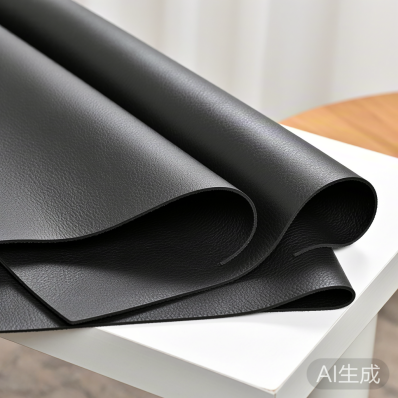
For footwear & leather accessory exporters: This factory-to-customer protocol covers belts, handbags, and small leather goods — not consumer cleaning tips. Pair each unit with Bester A505 anti-mold chips and DMF-free export packaging for REACH-compliant shipments to the US and EU.
Recently, persistently high humidity in Asia has caused severe mold issues for many accessory manufacturers. One trading company had an entire shipment of 2,000 leather belts to Europe rejected due to mold growth during transit, resulting in direct losses exceeding 200,000 RMB. To address this industry pain point, we've identified five critical steps to ensure complete mold prevention for leather accessories from factory to end customer.
Step 1: Strictly control humidity standards in production. Manufacturing workshops must maintain relative humidity between 50%-65%. All raw materials must undergo moisture content testing before storage, ensuring it doesn't exceed the 12% safety threshold. During final packaging, each accessory should contain one anti-mold tablet to effectively inhibit mold growth. Semi-finished products shouldn't be stored temporarily for more than 24 hours and must be covered with moisture-proof film.
Step 2: Scientifically configure packaging protection. Adopt the "1+1" protection solution: each product contains 1 anti-mold chip (anti-bacterial) + each cubic meter of packaging contains 200g biochemical desiccant (moisture absorption). Note these two products must be used together - using either alone significantly reduces effectiveness. Use breathable non-woven fabric bags instead of regular plastic bags to prevent condensation.
Step 3: Optimize warehouse management. Warehouses must have dehumidification equipment to maintain safe humidity levels. Goods should be placed on pallets at least 15cm above ground with 50cm ventilation channels between stacks. Implement FIFO inventory management to ensure turnover doesn't exceed 3 months. Monthly checks should verify anti-mold chips and desiccants, replacing expired products promptly.
Step 4: Strengthen transportation protection. Shipping containers must contain specialized drying rods. For high-value products, add internal moisture-proof packaging. Always check containers for leaks and ensure interior dryness before shipping. Increase protective product quantities by 30% for shipments exceeding 15 days.
Step 5: Create end-user mold prevention guidelines. Provide customers with clear storage instructions: keep in dry, ventilated areas; avoid direct sunlight; regularly check anti-mold products. For moldy items, instruct customers to gently clean with professional mold removal cloths, avoiding harsh chemicals like alcohol. Collect customer feedback to continuously improve the anti-mold solution.
Companies implementing these steps report mold rates dropping from 8-12% to below 0.5%. For a manufacturer producing 10,000 units monthly, this could prevent about 500,000 RMB in annual losses. Key reminder: mold prevention focuses on proactive measures - address any signs immediately to prevent escalation. We recommend incorporating anti-mold measures into quality management systems with regular employee training to ensure proper execution at each stage. In today's abnormal climate conditions, a robust anti-mold system has become a core competitive advantage for leather accessory manufacturers.
The above methods are for reference only, and actual procedures may require adjustments based on specific circumstances. To ensure accuracy and effectiveness, we recommend contacting Best's professional team for tailored guidance and support. — Bester Anti-Mold Chips