
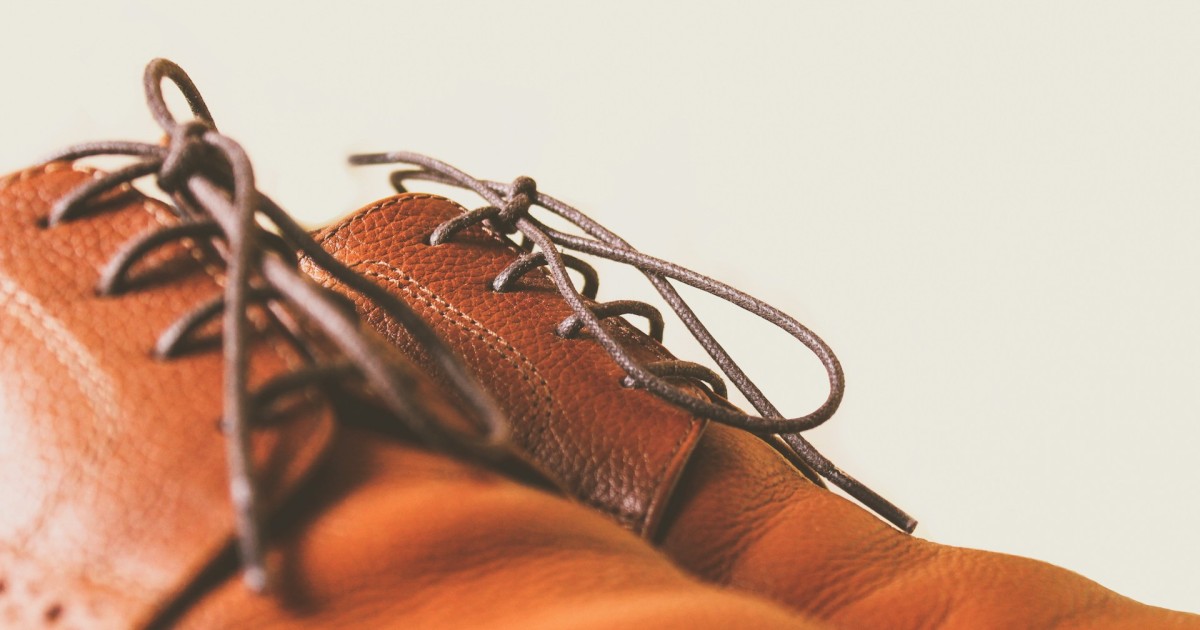
For footwear export managers and factory QA teams, ocean shipping is the most dangerous phase in the product lifecycle. Leather uppers—especially full-grain and nubuck—are highly absorbent. When cartons sit inside a sealed container for 30–45 days, even a spotless factory release can turn into a destination-port mold crisis.
Why Container Sweat Creates Mold on Leather Shoes
During maritime transit, containers experience extreme temperature swings—often called ocean shipping cargo sweat or "container rain." Warm, humid air rises, condenses on the steel ceiling, and drips back onto cartons. Inside each shoe box, relative humidity (RH) can exceed 75% for days at a time.
Leather fibers retain processing moisture and tanning agents that feed fungal spores. Once RH crosses the critical threshold inside a sealed carton, mold can colonize toe boxes, lining leather, and insole edges within 72 hours—long before the shipment reaches the buyer's warehouse.
The Limitation of Passive Silica Gel Desiccants
Many factories still place standard passive silica gel desiccants inside shoe boxes. These products only absorb free moisture—they do not eliminate airborne mold spores and they cannot regenerate once saturated.
- Saturation failure: A 1g silica packet in a humid container environment can reach capacity within the first week at sea.
- No spore control: Even a "dry" box can harbor latent spores on leather surfaces waiting for the next humidity spike.
- False security: QA teams see dry indicator cards while mold is already forming on absorbent suede panels hidden from inspection.
Passive moisture control alone is insufficient for premium leather footwear moving through tropical lanes and extended port dwell times.
The Bester Anti Moldy Bag Solution: Active Anti-Mold Factors
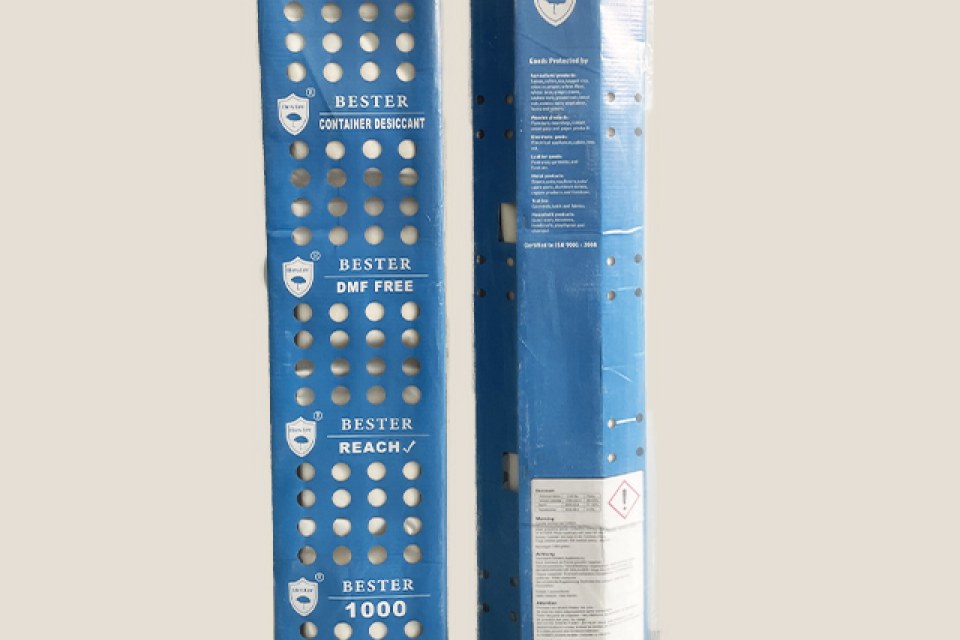
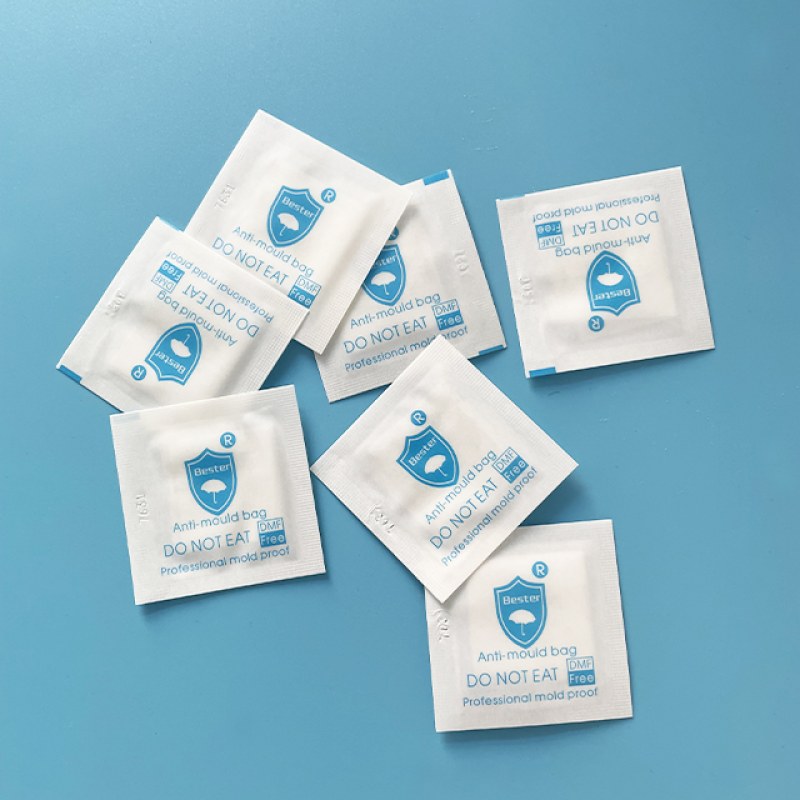
The answer is not more desiccant weight—it is active vapor-phase protection. Every authentic unit in the official Bester anti moldy bag branded packaging series is engineered to do more than absorb water.
These products—including the Bester A505 anti-mold chip for Spring/Summer lines—continuously and actively release powerful anti-mold factors into the sealed shoe-box micro-environment. Rather than waiting for moisture to contact a packet, the system builds a 360° protective vapor atmosphere that inhibits mold spore activation on leather uppers, lining materials, and cardboard inserts throughout the entire ocean transit window.
Factory Implementation Checklist for Ocean-Bound Leather Footwear
- Pre-pack moisture audit: Verify upper leather and inner box moisture content before final sealing (<12% recommended for high-risk SKUs).
- One active unit per box: Place one Bester anti moldy bag series product per standard shoe box; consult technical support for heavy suede or monsoon-season loads.
- Seal immediately: Minimize open-air exposure on the packing line—vapor-phase performance depends on a closed micro-environment.
- Document compliance: Attach SGS REACH screening reports to AVL files for brand audit readiness (view compliance docs).
Protect Your Next Ocean Shipment
Explore the full Bester anti moldy bag product hub, compare A505 and C304 options, and request free factory samples for your leather footwear program.