
When a buyer opens a carton and finds fuzzy growth on toe boxes, the first question is always: what causes mold on shoes? In B2B footwear, the answer is rarely "bad luck." Mould is a chemical-biological response to four controllable variables: relative humidity, spore load, material absorbency, and time in a sealed environment.
Cause #1 — Relative Humidity Above the Critical Threshold
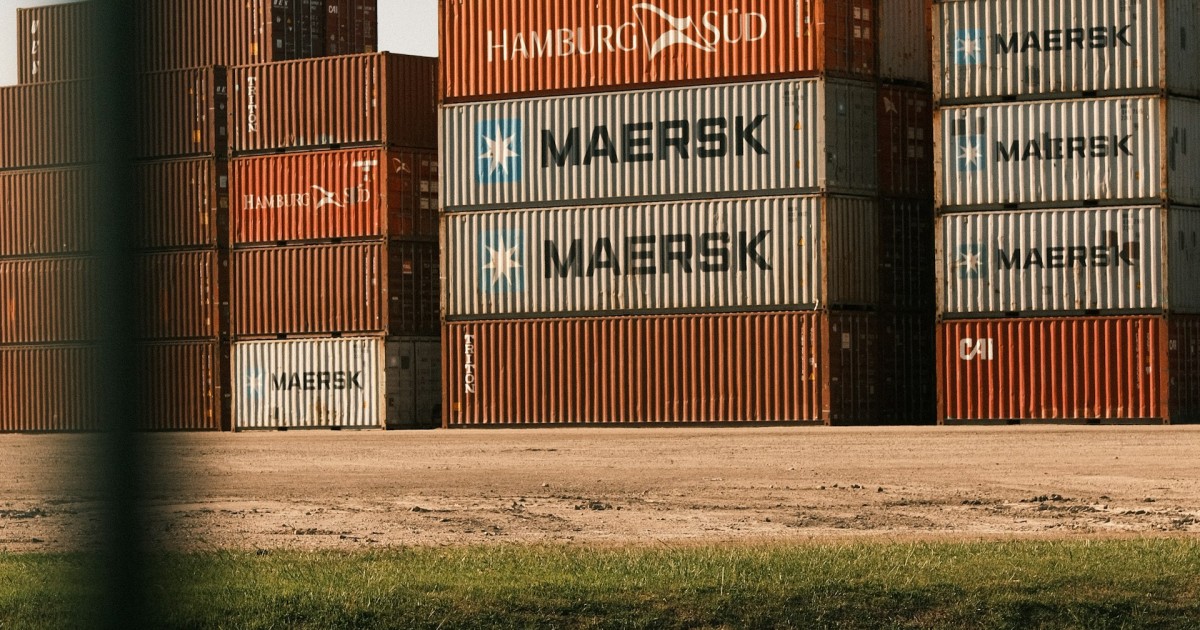
Most fungal species activate when RH inside a sealed shoe box exceeds 75% for sustained periods. Factory packing rooms above 70% RH, rainy-season WIP storage, and container "cargo sweat" during ocean transit all push micro-environments past this threshold—even when the shoe felt dry at inspection.
Learn how container-level humidity interacts with box-level protection in our ocean shipping mould prevention guide.
Cause #2 — Latent Spores on Materials and Packaging
Spores are everywhere—in tannery environments, warehouse air, and corrugated dust. Leather and suede uppers are particularly vulnerable because open-pore structures trap spores below the surface. A visually clean upper can still colonize once humidity spikes inside the box.
Cause #3 — Material-Specific Absorbency
| Upper Material | Mould Risk Level | Typical Failure Point |
|---|---|---|
| Suede / nubuck | Very high | Toe box, vamp panel |
| Full-grain leather | High | Lining, insole edge |
| Textile / mesh | Moderate | Inner collar, tongue |
Cause #4 — Insufficient Active Protection in the Box
Passive silica gel removes moisture but does not address spore activation. When saturation occurs—or when spores outnumber what desiccant can control—mould appears despite a "dry" indicator card.
The B2B solution: vapor-phase Bester anti moldy bag products that build a protective atmosphere inside each sealed box. See the factory prevention SOP guide for implementation steps.
Root Cause Checklist for QA Teams
- Was packing-room RH logged on the production date?
- Was upper moisture content tested for suede/nubuck SKUs?
- Was an active anti-mold unit placed before sealing?
- Was container desiccant used for ocean-bound cartons?
- Did the shipment pass through tropical ports or extended dwell time?
Diagnose Your Mould Risk Profile
Send us your upper material, export route, and current packing protocol. We will recommend the right Bester anti moldy bag SKU.