
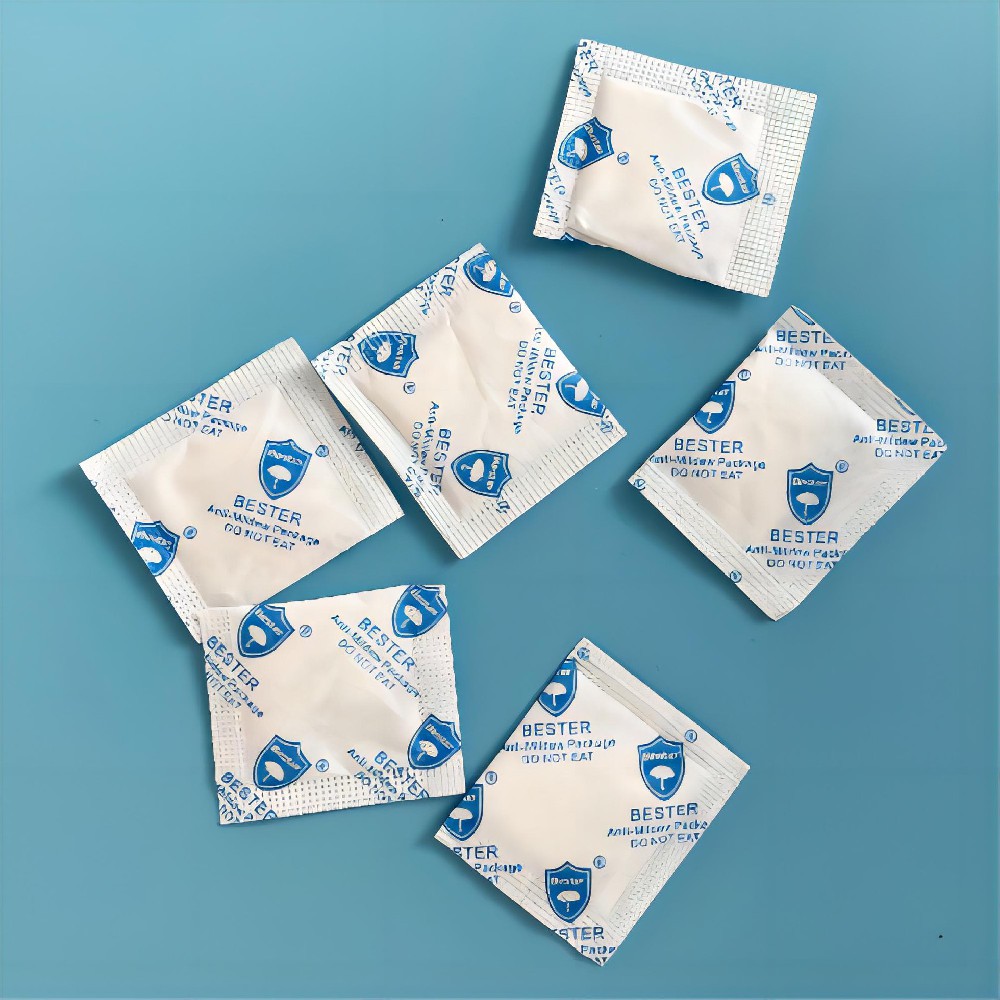
What Material is Shoe Box Desiccant Made Of
Product Mold Issues and Desiccant Selection
Recently, due to weather conditions, many manufacturers have been facing challenges with mold growth on raw materials and products. For brand companies, foreign trade enterprises, and manufacturing plants, effectively preventing product mold has become an urgent task. In this article, we will focus on the material selection of shoe box desiccants.
Background Analysis
With changing weather and increasing humidity, moisture prevention for products has become a top priority. Especially for footwear products, improper storage or the use of unsuitable desiccants can easily lead to mold issues. Therefore, selecting an appropriate desiccant is crucial for product protection.
Solution
To address this issue, a new type of desiccant material has emerged in the market. This material boasts excellent moisture absorption properties, effectively keeping products dry and preventing mold growth. Compared to traditional desiccants, this new material is more eco-friendly and safe, with a longer lifespan.
Implementation Steps
Remove Mold: For products already affected by mold, the first step is to clean the mold.
Clean the Product: After cleaning, use a soft brush to ensure no residue remains on the product surface.
Thorough Wiping: Use a damp mold-removal cloth to thoroughly wipe the product inside and out, ensuring it is dry.
Moisture Absorption: Use biochemical desiccants for moisture absorption to ensure the product remains in a dry environment.
Preventive Measures: To prevent mold recurrence, combine the use of anti-mold sheets for mold-inhibiting protection.
Important Note: Anti-mold sheets and biochemical desiccants serve different purposes and should be used in combination appropriately.
Conclusion
Selecting the right desiccant material is crucial for preventing product mold. Through proper combination and usage, products can be effectively protected from mold damage. For brand companies, foreign trade enterprises, and manufacturing plants, this is not just a technical choice but also a commitment to product quality and consumer responsibility.
Friendly Reminder: The methods and approaches mentioned above are for reference only. Actual procedures may vary depending on specific circumstances. To ensure accuracy and effectiveness, we recommend contacting the professionals at Bester for targeted guidance and assistance.
—Bester Anti-Mold Sheets
For factories & exporters
Home mold cleaning is not the same as export packing mold control. If you run a shoe factory or brand program, use vapor-phase anti-mold inserts (not silica gel alone) before sealing boxes.
Anti mould bag hub · A505 chip · C304 bag · A505 vs C304 trial · Why silica fails · Buyer FAQ ·