
Short answer: Mold on export shoes comes from humidity, spores, and time in a sealed box—not bad luck. Control RH, keep residual moisture out, and use a vapor-phase anti mold chip plus desiccant. Silica gel alone does not inhibit spores.
When a buyer opens a carton and finds fuzzy growth on toe boxes, the first question is always: what causes mold on shoes? In B2B footwear, the answer is rarely "bad luck." Mould is a chemical-biological response to seven factory-side variables: relative humidity, spore load, material absorbency, missing box-level protection, sealed plastic overwrap, container rain, and residual process moisture.
Cause #1 — Relative Humidity Above the Critical Threshold
Most fungal species activate when RH inside a sealed shoe box exceeds 75% for sustained periods. Factory packing rooms above 70% RH, rainy-season WIP storage, and container "cargo sweat" during ocean transit all push micro-environments past this threshold—even when the shoe felt dry at inspection.
Learn how container-level humidity interacts with box-level protection in our ocean shipping mould prevention guide.
Cause #2 — Latent Spores on Materials and Packaging
Spores are everywhere—in tannery environments, warehouse air, and corrugated dust. Leather and suede uppers are particularly vulnerable because open-pore structures trap spores below the surface. A visually clean upper can still colonize once humidity spikes inside the box.
Cause #3 — Material-Specific Absorbency
| Upper Material | Mould Risk Level | Typical Failure Point |
|---|---|---|
| Suede / nubuck | Very high | Toe box, vamp panel |
| Full-grain leather | High | Lining, insole edge |
| Textile / mesh | Moderate | Inner collar, tongue |
Cause #4 — Insufficient Active Protection in the Box
Passive silica gel removes moisture but does not address spore activation. When saturation occurs—or when spores outnumber what desiccant can control—mould appears despite a "dry" indicator card.
The B2B solution: vapor-phase Bester anti moldy bag products that build a protective atmosphere inside each sealed box. See the factory prevention SOP guide for implementation steps.
Cause #5 — Poor Ventilation and Sealed Plastic Overwrap
Export packing often wraps finished pairs in PE bags or stretch film before the shoe box is closed. That layer traps residual moisture from the last production wash, insole foam, or humid packing-room air. Without a path for vapor to leave the micro-environment, RH inside the wrap climbs even when the warehouse dehumidifier reads “safe.”
If a lane requires plastic overwrap, place the C304 anti mould bag or A505 anti mold chip inside the wrap with the pair, then seal the box. Do not rely on a desiccant sitting outside the film.
Cause #6 — Container Rain and Ocean Humidity Swings
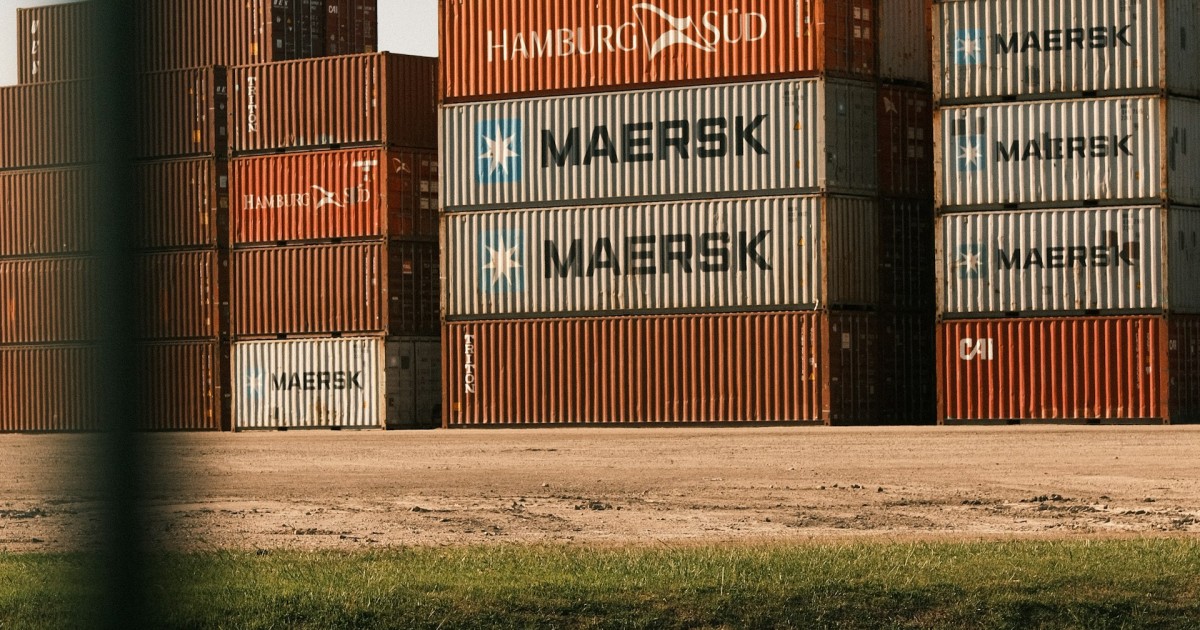
How do shoes get mold during shipping? Day–night temperature swings on a vessel create condensation on container walls (“container rain”). Cartons nearest the walls and roof absorb that moisture. Box-level RH then crosses the mould threshold even if the shoes left the factory dry.
Box-level vapor-phase inserts protect the pair; they do not dry the container. For ocean freight, pair each box with hanging container desiccant poles. See also container rain causes and prevention.
Cause #7 — Residual Moisture in Leather and Suede After Production
Leather, suede, and some linings leave the last process with bound water. If packing starts before moisture content has equilibrated, that water later migrates into the sealed box. QA teams often miss this because the upper feels dry to the touch.
For suede and nubuck SKUs, log moisture before boxing and delay seal if readings are high. Then add an active anti-mold unit before the lid closes. Factory steps: how to prevent mould on shoes.
White Mold on Shoes: Is It Dangerous?
White mold on shoes in a warehouse or carton is usually surface fungal growth, not salt bloom — though the two are easy to confuse on leather. For factory QA it is a quality claim risk: appearance, odor, and possible buyer rejection. It is not a medical diagnosis page.
Identify, clean, and stop recurrence in White Mold on Shoes: Remove It & Stop It Coming Back. After cleaning, reseal with a vapor-phase chip or bag; cleaning alone does not keep spores inactive in a humid box.
How Do Shoes Get Mold During Shipping?
Three shipping conditions stack: (1) residual moisture from production, (2) sealed boxes with no active vapor-phase protection, (3) container humidity spikes on tropical or long-dwell lanes. Any two of these are enough for mould to show at unboxing.
A practical split: A505 chip or C304 bag in each shoe box; container desiccant poles in the container. Dual protection notes: prevent mold on leather shoes during ocean shipping.
How to Prevent Mold on Shoes: B2B Solutions
- Keep packing-room RH logged; do not box wet suede or leather.
- Place one vapor-phase anti mould bag or anti mold chip inside each sealed box (inside any PE wrap).
- For ocean containers, add hanging desiccant poles; box inserts are not a substitute.
- Train the packing line: how to use anti mould bags.
Limitations: When This Approach Does Not Apply
- Anti-mold chips do not reverse existing mold growth — they inhibit new germination in a sealed box.
- If shoes are already visibly moldy, clean first, dry fully, replace packing, then re-pack with chips.
- Desiccant alone does not inhibit spores; it only lowers humidity.
According to test report No. 2025FM00761R01D from Guangdong Provincial Microbiological Analysis and Testing Center (method DA/T 26-2000, issued 2025-02-26) — Mold Growth Rating: Grade 0, 28-day test, 8 mold species, tested on paper/cloth/leather — all three materials showed zero visible mold growth, A505 anti-mold chips inhibit spore germination throughout the test period. According to SGS REACH SVHC test (report No. CANAF26001423003), 251 SVHC substances plus 4 potential SVHC were not detected (≤ 0.1% w/w). DMF was not detected per SGS report No. CANAF26001423001 (< 0.1 mg/kg).
Root Cause Checklist for QA Teams
- Was packing-room RH logged on the production date?
- Was upper moisture content tested for suede/nubuck SKUs?
- Was an active anti-mold unit placed before sealing?
- Was container desiccant used for ocean-bound cartons?
- Did the shipment pass through tropical ports or extended dwell time?
Diagnose Your Mould Risk Profile
Send us your upper material, export route, and current packing protocol. We will recommend the right Bester anti moldy bag SKU.
Frequently Asked Questions
What causes mold on shoes in a sealed box?
Sustained RH above about 75%, latent spores on leather or packaging, and time. Passive silica gel only removes moisture and can saturate; it does not replace vapor-phase anti-mold.
Can shoes get moldy during a short warehouse stay?
Yes, if packing-room humidity is high or residual process moisture is sealed in. Outbreaks often appear after rainy weeks even when dwell time is only a few days.
Is white mold on shoes the same as salt stains?
No. Salt bloom is mineral residue; white mold is fungal growth. If wiping with a dry cloth smears or the spot returns in humidity, treat it as mould. See the white mold guide.
Can mold on shoes spread to other shoes?
Yes. Spores move in air and on packaging. One moldy pair in a carton or warehouse bay can contaminate adjacent pairs. Isolate the lot, clean, dry fully, then pack with a vapor-phase anti mold chip or anti mold bag plus a desiccant.
How long does it take for mold to grow on shoes?
When relative humidity stays above about 75% in a warm, still box, visible growth on a contaminated upper can start within 24–48 hours. Cooler or drier rooms take longer; residual process moisture can still trigger growth after packing.
Is mold on shoes dangerous?
Some molds release spores that can irritate airways or trigger allergies. Treat warehouse finds as contamination: do not dry-brush in a closed packing room without ventilation. Cleaning is not a substitute for changing the pack plan.
US Footwear Export Packaging Standards
Footwear exporters shipping to the United States commonly align carton and unit packing with distribution tests such as ASTM D4169 (performance testing of shipping containers) and ISTA 3A (parcel delivery simulation). Those protocols stress the package against drop, vibration, and compression — they do not by themselves inhibit mold spores inside a sealed shoe box.
According to US footwear industry practice and guidance referenced by groups such as the American Apparel & Footwear Association (AAFA), mold-related quality claims remain a recurring cost for importers. Bester A505 chips and C304 anti mold bags are used by footwear factories exporting to the United States: vapor-phase inserts inhibit spore germination in the box micro-climate, while container desiccants control cargo sweat. Packaging films and sachets intended for food-contact lanes can be quoted against buyer FDA food-grade material specs when required; core footwear SKUs are REACH SVHC / DMF documented for brand AVL files.
Trusted by footwear exporters serving US and EU retail channels: request SGS Grade 0 mold-growth (28-day, 8 species, paper/cloth/leather) and REACH SVHC (251+4 not detected) packs with your sample order.
Sources and Further Reading
- Guangdong Provincial Microbiological Analysis and Testing Center (Report No. 2025FM00761R01D, 2025) — Mold Growth Rating Test, Grade 0 (28 days, 8 species, paper/cloth/leather)
- REACH SVHC Compliance Test (SGS report No. CANAF26001423003) — 251 SVHC substances + 4 potential SVHCs, all not detected (≤ 0.1% w/w)
- DMF Content Test (SGS report No. CANAF26001423001) — not detected (< 0.1 mg/kg)
Related B2B guides: footwear supplier audit checklist · silica gel desiccant supplier selection · PPWR 2026 compliance guide · desiccants for shipping containers
For factories & exporters
Home mold cleaning is not the same as export packing mold control. If you run a shoe factory or brand program, use vapor-phase anti-mold inserts (not silica gel alone) before sealing boxes.
Anti mould bag hub · A505 chip · C304 bag · A505 vs C304 trial · Why silica fails · Buyer FAQ ·