
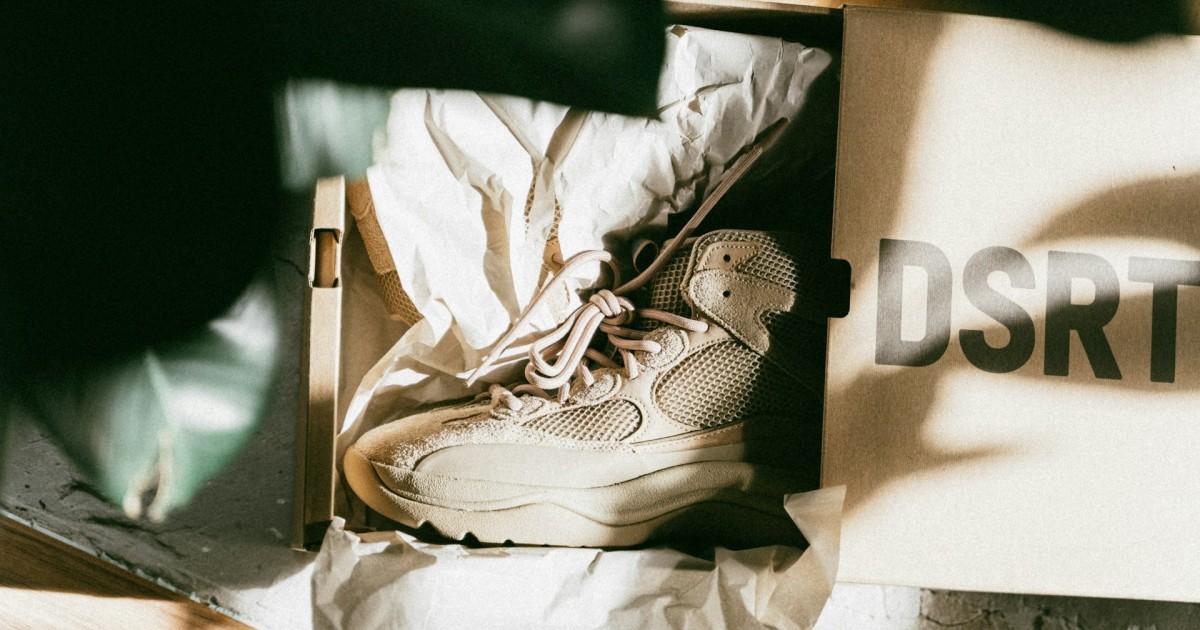
Short answer: The EU Packaging and Packaging Waste Regulation (PPWR) pushes packaging placed on the EU market toward recyclability, tighter hazardous-substance limits (aligned with REACH thinking), clearer labeling, and less over-packaging. For footwear exporters, that means shoe boxes, tissue, polybags, desiccants, and anti-mold inserts must be documented—not improvised. Bester anti-mold packaging is supported by REACH 251+4 SVHC not detected, DMF not detected, and mold efficacy Grade 0 / 28-day / 8 species / paper·cloth·leather. For anti-mold-specific PPWR notes, read the companion article PPWR 2026 anti-mold packaging compliance.
This page is the buyer / compliance-manager overview. The companion piece goes deeper on anti-mold packaging technical compliance.
Key PPWR requirements (exporter view)
- Recyclability trajectory — design packaging so materials can be recycled at scale; plan toward high recyclable content targets into 2030.
- Hazardous substance limits — restrict substances of concern in packaging; coordinate with REACH SVHC screening for inserts and treated papers.
- Labeling & marking — material identification / recycling marks as required for the markets you ship into.
- Minimization — avoid unnecessary void space and multi-material constructions that block recycling when a simpler pack works.
- Documentation — keep supplier declarations, test PDFs, and BOM of packaging components audit-ready.
How PPWR affects footwear packaging
- Shoe boxes & paper — prefer recyclable fiber systems; minimize non-recyclable laminates unless brand-mandated.
- Silica gel / desiccant packs — confirm substance screens and how spent packs are handled in EU waste streams.
- Anti-mold chips & bags — must clear SVHC/DMF expectations while still delivering mold performance on ocean lanes.
- Polybags — thickness, recycled content, and labeling rules evolve; align with brand packaging manuals.
| Your situation | Recommended focus | Why |
|---|---|---|
| EU retail launch with long ocean transit | Documented anti-mold (A505/C304) + recyclable carton plan | Mold claims + packaging compliance both hit margin |
| Brand asks “PPWR-ready pack” | BOM + REACH/DMF PDFs + recyclability notes | Auditors want files, not slogans |
| Historic mold claims on EU lanes | Vapor-phase anti-mold + container moisture plan | Recyclable boxes still grow mold if RH and spores align |
| Need anti-mold technical detail | PPWR anti-mold packaging compliance | Companion deep-dive for packaging engineers |
Bester compliance status (versioned data)
- Mold efficacy: Grade 0, 28-day test, 8 mold species, substrates paper / cloth / leather — no visible growth.
- REACH SVHC: 251 + 4 potential SVHCs not detected (≤ 0.1% w/w).
- DMF: not detected (< 0.1 mg/kg).
Product entry points: A505 anti mold chip, C304 anti mold bag, hub bester-anti-moldy-bag.
Practical compliance checklist
- Map every packaging SKU touching the EU shipment (box, tissue, bag, desiccant, anti-mold, labels).
- Collect substance reports (REACH/SVHC, DMF, heavy metals where required).
- Record recyclability assumptions and any multi-material exceptions approved by the brand.
- Align anti-mold dosage SOP so quality and compliance teams share one file set.
- Re-check ECHA / EU Commission updates each season—PPWR implementing details continue to evolve.
Limitations
- PPWR secondary legislation and guidance documents continue to be updated—treat this as a practical exporter guide, not legal advice.
- National enforcement nuances may differ across EU member states.
- Recyclability claims must match actual EU infrastructure capabilities for your material mix.
FAQ
Does PPWR replace REACH for anti-mold inserts?
No. PPWR addresses packaging design and waste; REACH still governs substances of very high concern. Footwear programs typically need both narratives in one audit pack.
Are Bester anti-mold products relevant to PPWR?
Yes—inserts are part of the packaging system. Bester provides SVHC/DMF documentation alongside mold Grade 0 performance data so QA can file both quality and compliance evidence.
Where is the technical anti-mold PPWR article?
See ppwr-2026-anti-mold-packaging-compliance for the packaging-engineer angle. This page stays oriented to procurement and compliance managers.
What should I request from Bester for an EU audit?
Latest REACH 251+4 screening, DMF report, mold Grade 0 PDF, SDS, and recommended A505/C304 dosage for your box size. Start via sample / document request.
Sources
- EU Packaging and Packaging Waste Regulation (PPWR) — official texts and Commission guidance (check current consolidated version).
- ECHA SVHC Candidate List; EU DMF restriction.
- Bester lab pack: Grade 0 / 28-day / 8 molds / paper·cloth·leather; REACH 251+4 ND; DMF ND.
- Companion: PPWR 2026 anti-mold packaging compliance.
For factories & exporters
Home mold cleaning is not the same as export packing mold control. If you run a shoe factory or brand program, use vapor-phase anti-mold inserts (not silica gel alone) before sealing boxes.
Anti mould bag hub · A505 chip · C304 bag · A505 vs C304 trial · Why silica fails · Buyer FAQ ·