
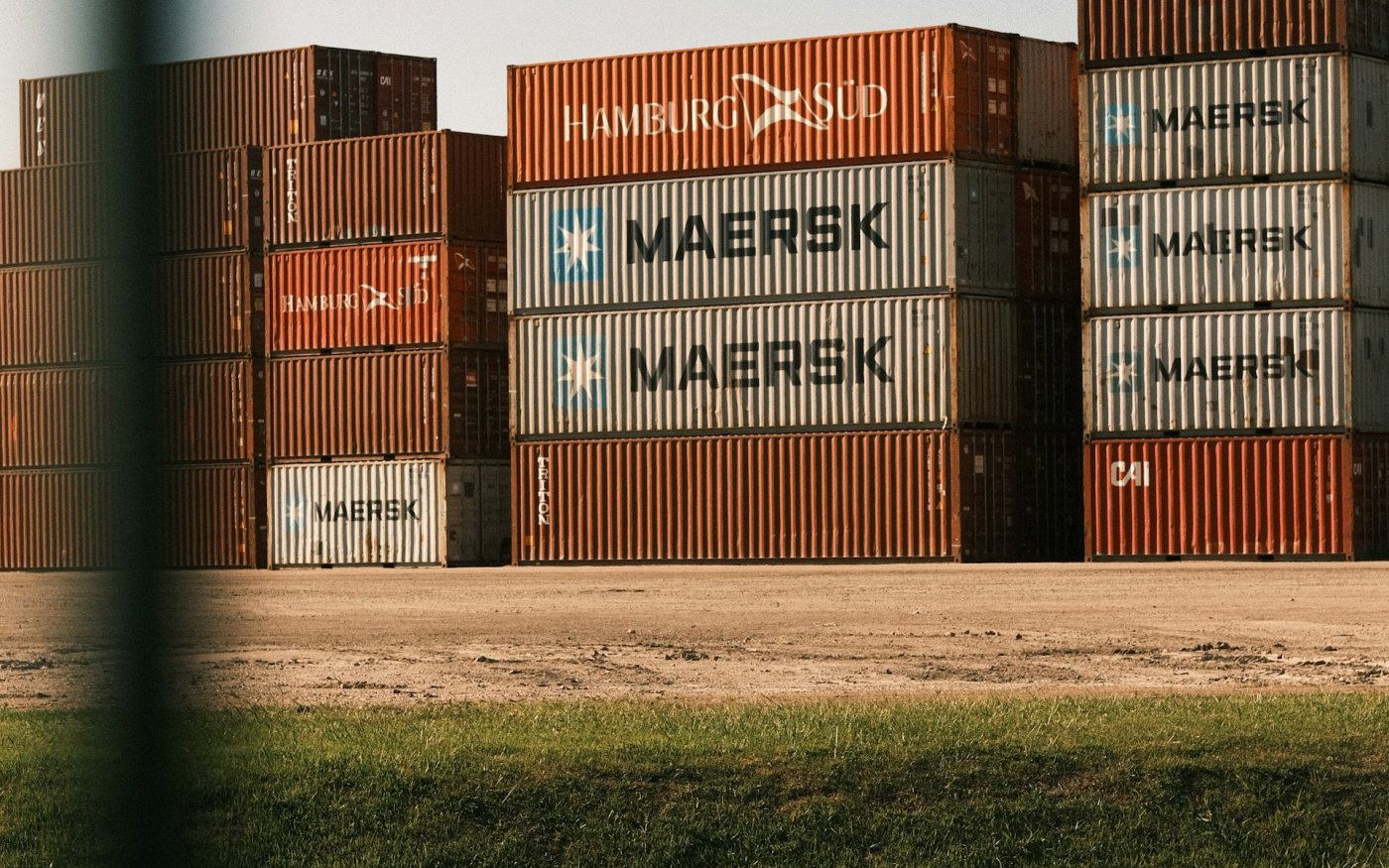
Short answer: Container rain is condensate that drips from the container roof after temperature swings. Hang calcium chloride poles, stuff dry cargo, seal promptly, and still protect shoe boxes with anti mold chips.
What Is Container Rain?
Container rain is condensation that forms inside a shipping container when warm, humid air meets colder steel or cargo surfaces. Water droplets run down walls and drip onto cartons—the ocean-freight version of winter window fog, scaled to a 20ft or 40ft steel box.
It is a physical humidity problem first. Mold, corrosion, and carton collapse are secondary failures that appear after free water and high RH persist for days or weeks.
Temperature & Humidity Dynamics During Ocean Shipping
On routes from tropical loading ports (~35°C) to cool discharge ports (~10°C), a 25°C drop is common. As temperature falls, air holds less water; roughly every 10°C drop can cut holding capacity by about half, forcing excess vapor to condense. Moisture sources include cargo water content, wood pallets, corrugated cartons, and ambient air trapped at stuffing.
A typical 30-day voyage shows RH spikes when night-time sea temperatures cool the roof and walls. Without absorbers, those cycles repeat until cartons soften or mold colonies appear on leather and textiles. For deeper maritime context, see our maritime logistics desiccant guide.
Types of Cargo Damage from Container Rain
| Damage | Symptoms | Business impact |
|---|---|---|
| Mold growth | White/green spots on shoes or leather | Scrap or heavy discounting |
| Metal corrosion | Zippers, hardware rust | Downgrade / rework |
| Label failure | Barcodes peel | Logistics delays |
| Carton collapse | Soft, warped export cartons | Crush damage to goods |
| Water staining | Marks on light materials | Claims and returns |
Prevention Strategies
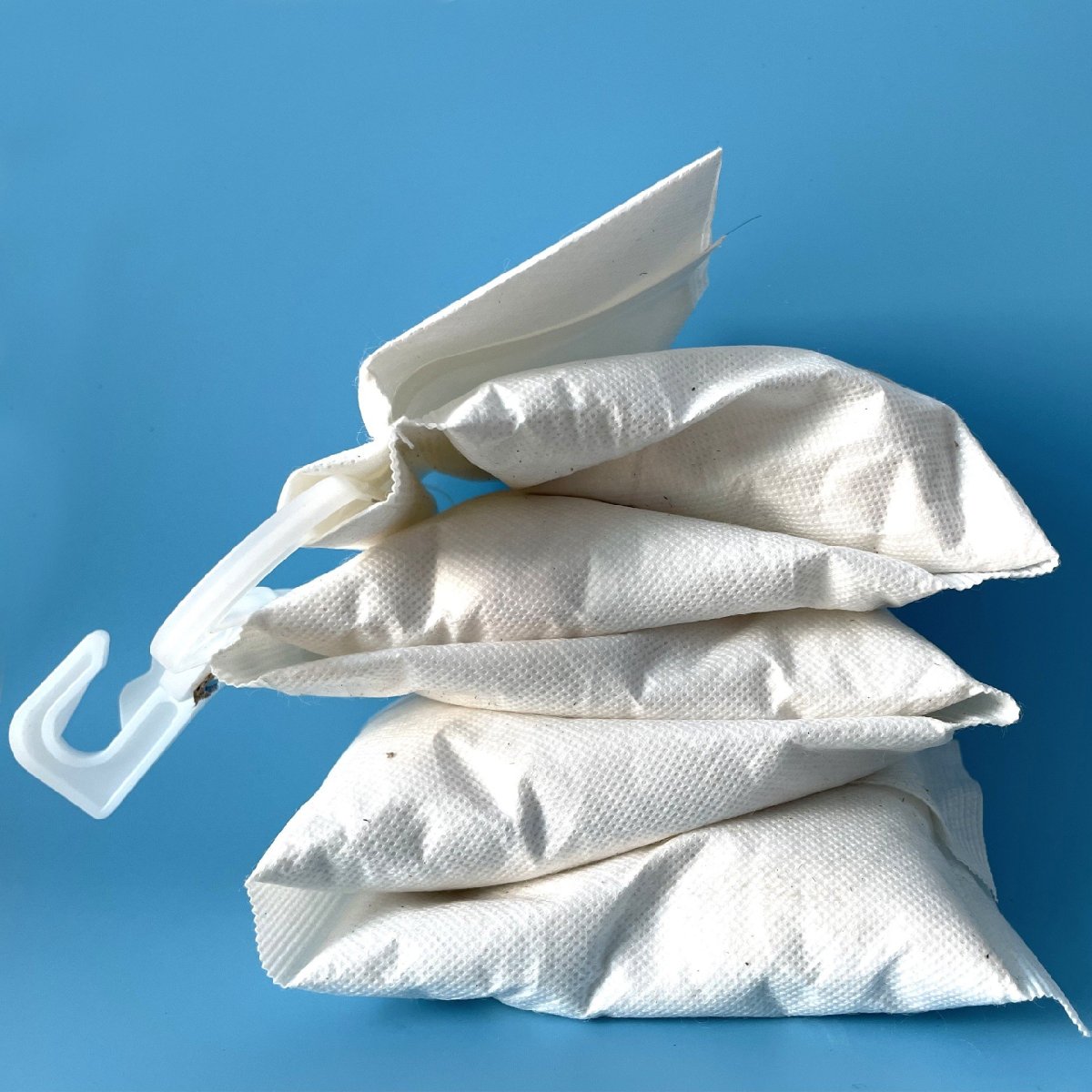
- Hang calcium chloride poles: Use container desiccant poles—typically 10–12 poles in a 40ft box for standard footwear loads.
- Pre-dry goods: Target low product moisture (often < 12%) and dry cartons (< 8% where measurable) before stuffing.
- Packaging: Stretch-wrap pallets; keep cartons off cold steel walls with dunnage.
- Right dosage for sealed boxes: Completely sealed containers still need enough absorber capacity for the voyage.
- Monitor: Place a temperature/RH logger on high-risk lanes to validate the program.
Box-level vapor-phase anti mold products protect sealed shoe micro-environments; poles manage container-scale moisture. Use both on mold-sensitive footwear lanes.
Case Study — 40ft Container Desiccant Placement Plan
Example: 2,000 pairs of export footwear on pallets, China → Europe, ~30 days. Recommended plan: 12 × 1000g CaCl2 poles hung evenly across four ring rows. Cost of poles is typically tiny versus a single moisture claim of US$5,000–20,000. For pole sizing and OEM specs, read the container desiccant buying guide.
Cost of Inaction
Humidity-related damage often appears in roughly 12% of ocean cargo insurance discussions. Footwear mold claims commonly land in the mid four to five figures per event, while desiccant and anti-mold spend is often 0.1%–0.3% of cargo value. Spending tens of dollars on poles to avoid thousands in claims is standard risk math for export QA teams.
Ask Bester for a container moisture plan matched to your lane and cargo type.
How to Diagnose Container Rain After Arrival
When a container opens with wet ceilings, rust streaks, or dripping cartons, photograph the door end, roof, and four walls before unloading. Note whether moisture is mostly at the top (classic container rain) or pooled at the floor (possible leak or wet stuffing). Check desiccant poles: if they are fully gelled and stuck early in a long voyage, dosage was likely too low for the lane.
Interview the stuffing team about rainfall during loading, carton moisture, and whether poles were hung or tossed on cargo. Many “mystery mold” cases are simply missing hangers or poles clustered only near the doors. Correlate with RH logger data if available—spikes aligned with cold nights at sea support a condensation story rather than a factory hygiene-only story.
Integrating Box-Level Mold Control
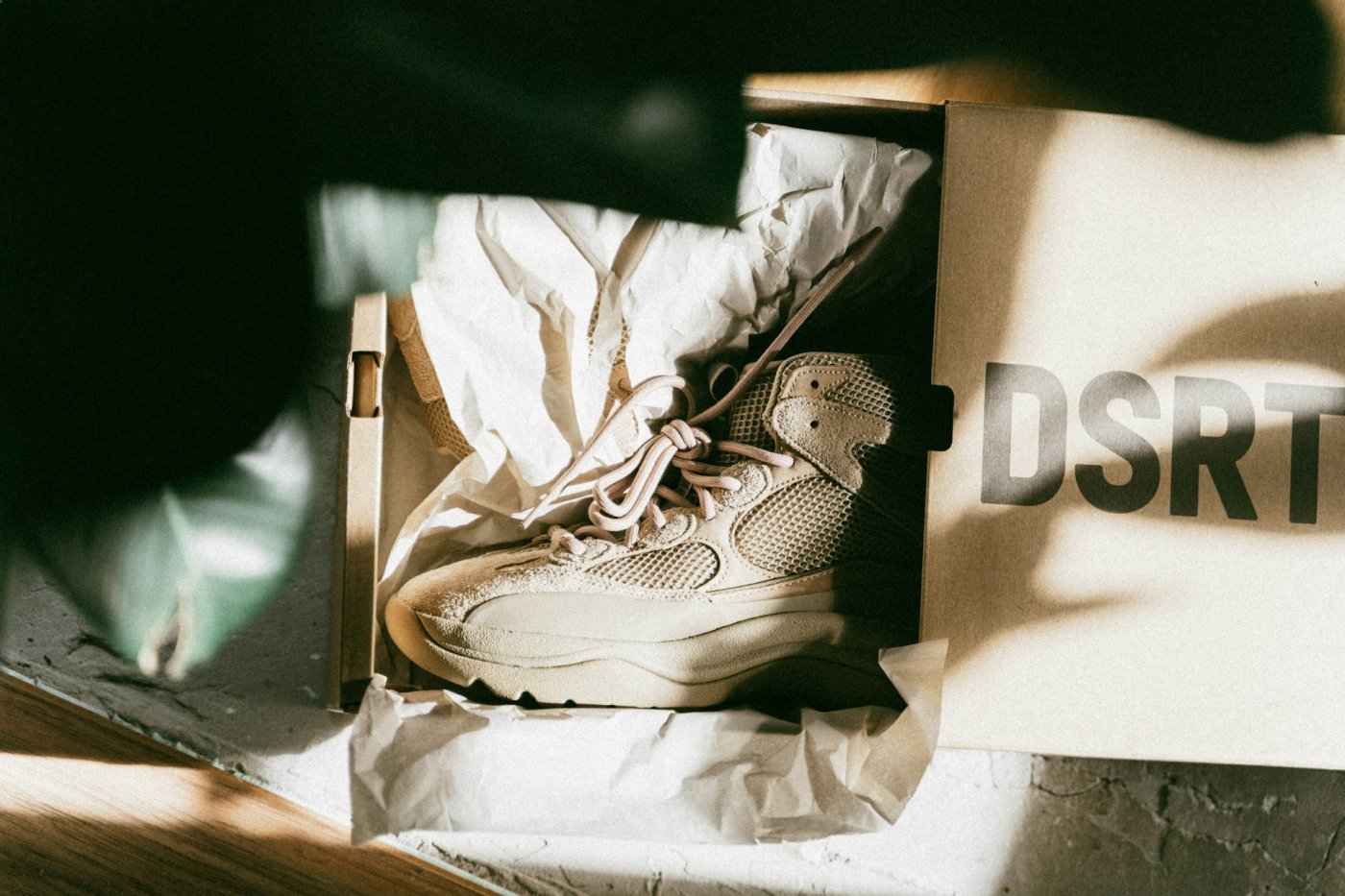
Container rain prevention reduces free water, but mold can still grow in humid micro-packs if shoe boxes were packed damp. Exporters of leather and suede should combine poles with vapor-phase anti mold chips or bags inside sealed boxes. That dual stack is the standard recommendation in Bester footwear export programs and is cheaper than absorbing a full container claim.
Use the buying guide to right-size poles, then validate on one pilot container with loggers before scaling to every booking in peak season.
Stuffing-Day Controls That Prevent Most Claims
Most container rain failures start before the vessel sails. Rain during open-door stuffing, wet wooden pallets, and cartons stored overnight on cold concrete all seed the container with excess water. Schedule stuffing under cover, reject obviously wet pallets, and keep a spare set of poles ready if the stuffing plan grows from 20ft to 40ft at the last minute.
Brief the logistics vendor in writing: poles must hang from rings, not be thrown on top of cartons. Include a simple hang map photo in the booking pack. If a third-party warehouse stuffs for you, make pole installation a billed line item with photo proof required before gate-out.
After arrival, if only the top layer is wet while poles are unused in a corner, you have an installation failure—not a chemistry failure. Fix the process before changing suppliers.
Linking Claims Data to Continuous Improvement
Tag every moisture claim with lane, season, pole count, and whether box-level anti mold products were present. After one peak season you will see which lanes need 16 poles instead of 12, and which factories under-seal shoe boxes. That dataset is more valuable than any generic industry percentage.
For lane planning, treat container rain as a predictable physics problem: cool steel, trapped humidity, and hygroscopic packaging. When those three align, water appears whether or not the factory floor looked clean on stuffing day. Your job is to remove humidity load with hanging calcium chloride capacity sized to the worst credible voyage—not the brochure average—and to keep shoe boxes sealed with vapor-phase protection so residual RH cannot finish as mold.
Share this prevention guide with forwarders and CFS partners so everyone uses the same hang map language. Consistency across vendors usually cuts repeat claims faster than switching desiccant brands every season.
For factories & exporters
Home mold cleaning is not the same as export packing mold control. If you run a shoe factory or brand program, use vapor-phase anti-mold inserts (not silica gel alone) before sealing boxes.
Anti mould bag hub · A505 chip · C304 bag · A505 vs C304 trial · Why silica fails · Buyer FAQ ·