
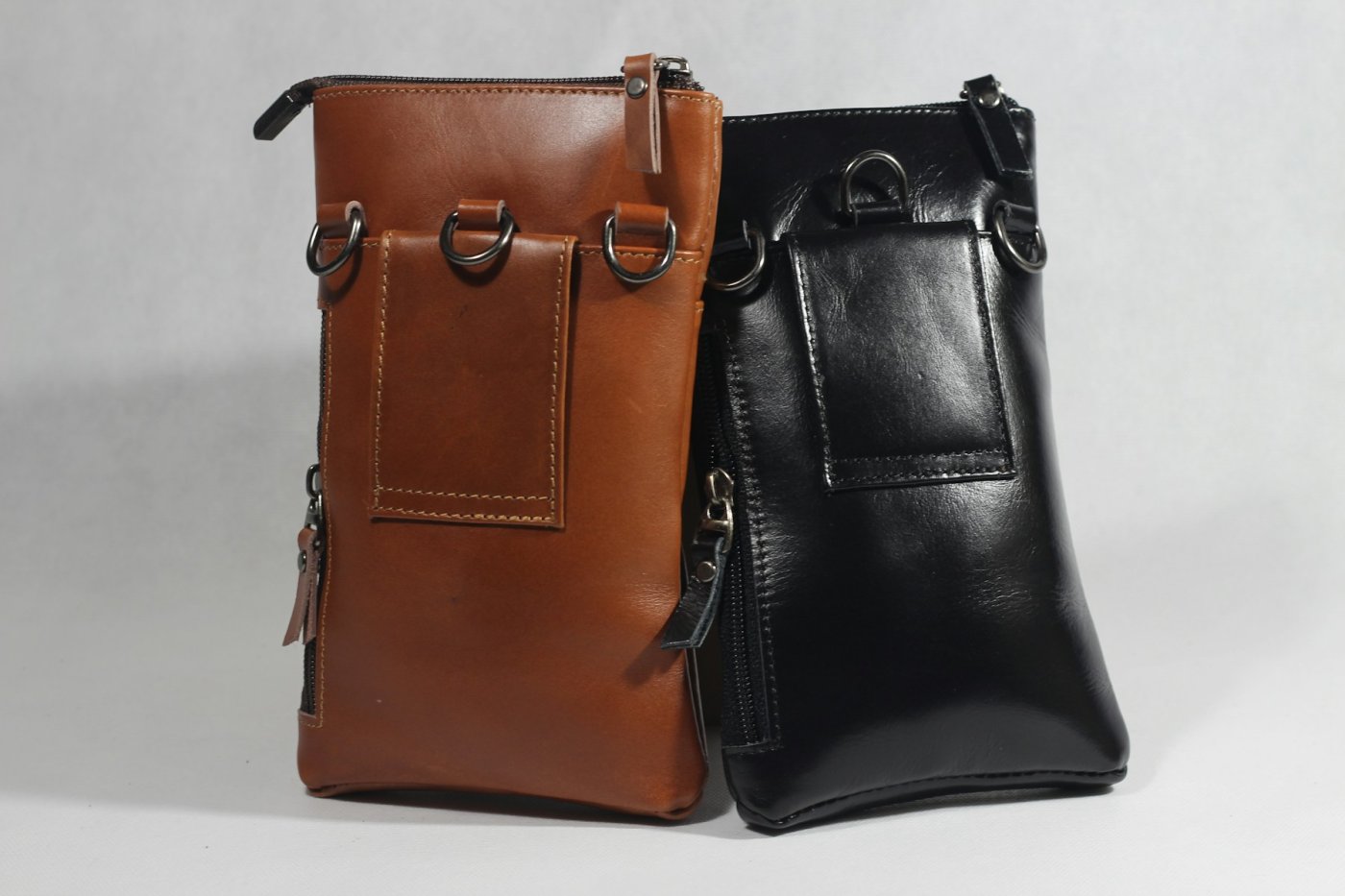
Cartons of leather shoes or handbags sit in a warehouse for three months. At shipping, the first open box shows spots and a musty smell. Storage did not “go bad overnight.” It held humidity, warmth, and still air long enough for spores already on the goods to grow.
Three Conditions Mold Needs in Storage
Most footwear warehouse molds need moisture, mild warmth, and time in still air. In practice that is RH above about 65%, air around 20–35°C, and a closed carton or PE wrap with little exchange. When all three sit together, growth on a contaminated upper can start within about two days. You do not need a leaking roof — residual tannery moisture and packing-room humidity are enough.
Suede and oily leather fail first. Finished grain is slower but not immune. See suede mold removal and prevention for nap-specific packing. Causes in production and transit: what causes mold on shoes.


Warehouse Storage Rules That Actually Move the Needle
- Climate: target RH below 55% and temperature below 25°C if the building can hold it. Log, do not guess.
- Racking: pallets off the floor (about 15 cm), off exterior walls (about 50 cm), with aisles for air. Do not shrink-wrap a whole stack airtight unless inserts are already inside each box.
- Box pack: A505 anti mold chip plus a desiccant in the shoe box or inner pack. The chip is not a dryer.
- Checks: a hygrometer on each rack row, read daily in rainy season.
- Rotation: FIFO. Do not plan leather dwell beyond about three months without re-checking inserts and RH.
When Storage Becomes a Container
Stuff only dry boxes. Hang container desiccant poles — typical 6–12 poles per 20ft, adjusted by voyage and stuffing moisture. Keep a chip or anti mold bag in each pair pack. Open and ventilate within 48 hours of arrival where the destination warehouse allows it. Poles do not replace the shoe-box layer — see container desiccant not enough.
Material Differences
| Material | Mold risk | Storage focus |
|---|---|---|
| Finished cow leather | Medium | Airflow + anti mold chip |
| Suede / nubuck | High | Tight RH control + chip + desiccant |
| PU | Lower | Ventilation; still watch PE wrap |
| Leather bags | High | Fillers + anti mold bag + desiccant |
Limitations: When This Approach Does Not Apply
- Anti-mold chips do not reverse existing mold growth — they inhibit new germination in a sealed box.
- If shoes are already visibly moldy, clean first, dry fully, replace packing, then re-pack with chips.
- Desiccant alone does not inhibit spores; it only lowers humidity.
According to test report No. 2025FM00761R01D from Guangdong Provincial Microbiological Analysis and Testing Center (method DA/T 26-2000, issued 2025-02-26) — Mold Growth Rating: Grade 0, 28-day test, 8 mold species, tested on paper/cloth/leather — all three materials showed zero visible mold growth, A505 anti-mold chips inhibit spore germination throughout the test period. According to SGS REACH SVHC test (report No. CANAF26001423003), 251 SVHC substances plus 4 potential SVHC were not detected (≤ 0.1% w/w). DMF was not detected per SGS report No. CANAF26001423001 (< 0.1 mg/kg).
FAQ
- How long can leather shoes be stored?
- With a sealed box, a vapor-phase chip or bag, and a desiccant, unopened stock is commonly held on the order of six months in a cool, dry store. That is a packing window, not a warehouse climate waiver. Recheck RH and FIFO well before six months.
- Should I use silica gel or anti mold chips?
- Use both. Silica gel absorbs water. The chip inhibits germination in the sealed box. One does not replace the other.
- Can I store leather shoes in plastic containers?
- Yes, if each inner pack still has a chip or bag. A sealed plastic tub without an inhibitor is a still, humid chamber.
Storage plans fail at the shoe box, not only the AHU
If leather sits for weeks before stuffing, send material, dwell time, and lane. We will suggest A505 / C304 plus a desiccant layout.
Sources and Further Reading
- Guangdong Provincial Microbiological Analysis and Testing Center (Report No. 2025FM00761R01D, 2025) — Mold Growth Rating Test, Grade 0 (28 days, 8 species, paper/cloth/leather)
- REACH SVHC Compliance Test (SGS report No. CANAF26001423003) — 251 SVHC substances + 4 potential SVHCs, all not detected (≤ 0.1% w/w)
- DMF Content Test (SGS report No. CANAF26001423001) — not detected (< 0.1 mg/kg)
For factories & exporters
Home mold cleaning is not the same as export packing mold control. If you run a shoe factory or brand program, use vapor-phase anti-mold inserts (not silica gel alone) before sealing boxes.
Anti mould bag hub · A505 chip · C304 bag · A505 vs C304 trial · Why silica fails · Buyer FAQ ·