
Mold is a significant quality risk in footwear export, frequently cited as a top cause of customer complaints and returns. For QA managers at footwear factories, selecting the right anti-mold solution is critical to protecting brand reputation and reducing costly returns.
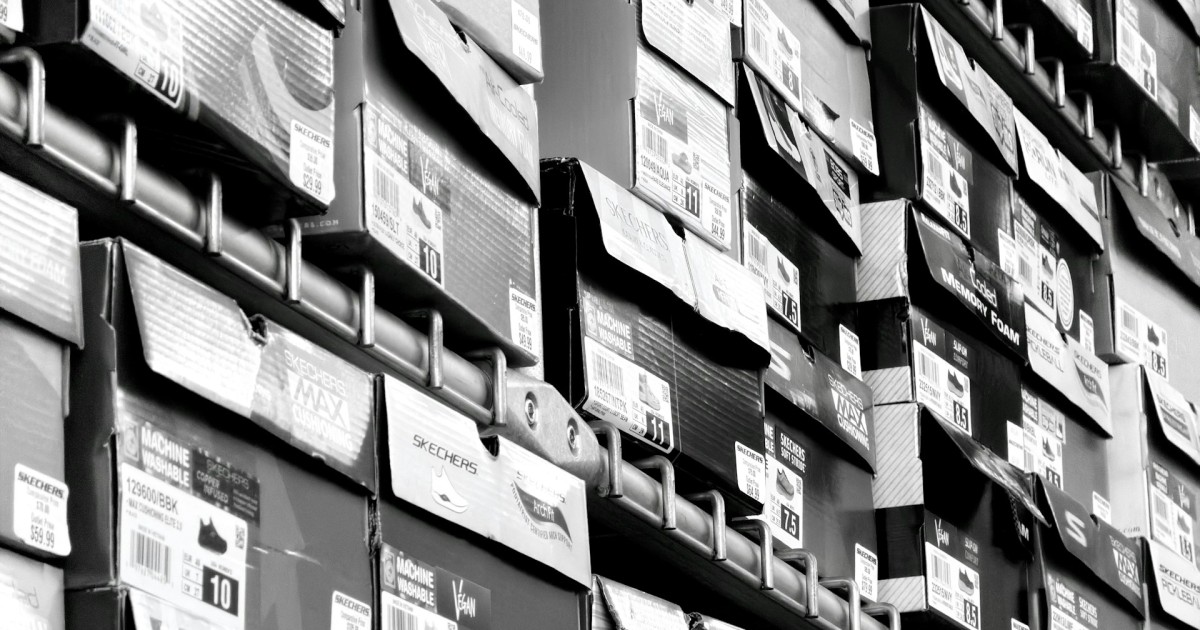
Understanding Mold Growth Conditions in Footwear
Mold requires three conditions to grow:
- Moisture: Relative humidity above 60%
- Temperature: 20-30°C (optimal range)
- Organic Material: Leather, suede, adhesives, and packaging
During ocean freight, containers experience "container rain" — warm moist air condenses on cold surfaces, creating perfect conditions for mold growth. A typical 40ft container can accumulate 20-30kg of condensation during a 30-day voyage.
Anti-Mold Technologies Compared
| Technology | Pros | Cons | Best For |
|---|---|---|---|
| Vapor-Phase Anti-Mold Chips | No direct contact, no staining, broad protection | Higher cost per unit | High-end leather/suede footwear |
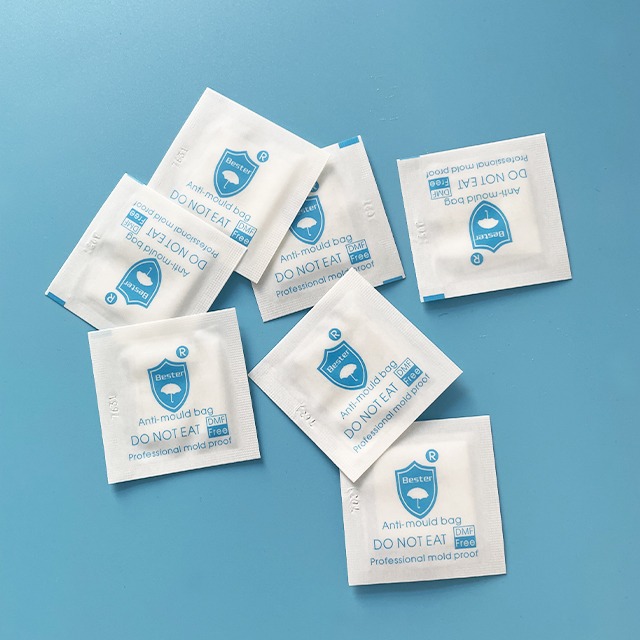
| Contact Anti-Mold Pouches | Cost-effective, easy to use | Risk of staining on sensitive materials | Mass production, canvas shoes |
| Silica Gel Desiccants | Absorbs moisture | Doesn't prevent mold, saturation risk | Supplemental moisture control |
| DMF Sachets | Strong anti-mold effect | Banned in EU, health risks | Not recommended |
Key Compliance Requirements for Export Markets
When selecting an anti-mold supplier, verify these certifications:
- REACH Compliance: Zero SVHC (Substances of Very High Concern)
- SGS Certification: Independent third-party testing
- DMF-Free: DMF is banned in EU and many export markets
- Brand Audit Ready: Complete documentation package
Best Practices for Footwear Factories
- Pre-Production: Ensure raw materials are dry (< 12% moisture)
- Packaging: Use vapor-phase anti-mold chips inside each shoe box
- Container Loading: Add container desiccant strips for macro humidity control
- Documentation: Maintain compliance records for brand audits
Recommendation: For factories producing high-end leather footwear, Bester A505 vapor-phase anti-mold chips provide the best protection without staining risks. The C304 pouch is ideal for cost-sensitive mass production lines.
Contact our technical team for a free mold risk assessment and product recommendation based on your specific export routes and product types.
For factories & exporters
Home mold cleaning is not the same as export packing mold control. If you run a shoe factory or brand program, use vapor-phase anti-mold inserts (not silica gel alone) before sealing boxes.
Anti mould bag hub · A505 chip · C304 bag · A505 vs C304 trial · Why silica fails · Buyer FAQ ·