
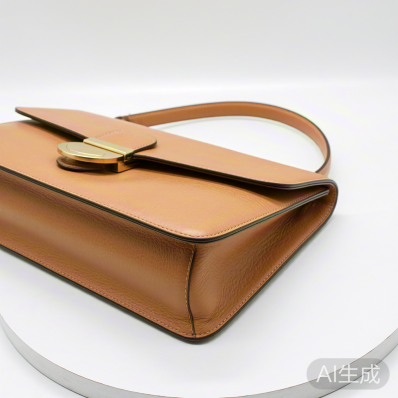
I. These Mistakes Might Be Happening in Your Facility
1. Relying Only on Ventilation While Ignoring Humidity Control
Problem: Many manufacturers believe ventilation alone prevents mold. However, in humid environments, ventilation cannot reduce humidity and may instead allow leather to absorb more moisture.
Consequence: Excess moisture content creates the perfect breeding ground for mold.
2. Using Ordinary Plastic Bags, Leading to Condensation & Mold
Problem: To cut costs, some companies still use standard PE/PVC bags for leather handbags.
Consequence: Trapped moisture causes condensation due to temperature fluctuations, accelerating mold growth.
3. Using Only One Anti-Mold Method (Instead of Combined Protection)
Problem: Some businesses use only anti-mold chips or desiccants, failing to establish a complete protection system.
Consequence:
Anti-mold chips inhibit bacterial growth but don’t absorb moisture.
Desiccants absorb moisture but don’t inhibit mold growth.
Using just one severely reduces effectiveness.
4. Poor Warehouse Stacking, Creating Humidity Hotspots
Problem: Overcrowded storage, or placing goods directly on floors/walls.
Consequence: Poor airflow leads to trapped moisture, increasing mold risk for bottom-layer items.
5. Skipping Moisture Protection Before Shipping (Especially for Sea Freight)
Problem: Many overlook high humidity in shipping containers and skip protective measures.
Consequence: Condensation forms inside containers, causing widespread mold damage.
II. Scientific Anti-Mold Strategy: Full-Cycle Protection
1. Production: Strict Humidity Control
Ensure leather materials have ≤12% moisture content (test with professional devices).
Use dehumidifiers to maintain 50%-65% relative humidity in workshops.
Cover semi-finished products with moisture-proof film during temporary storage.
2. Packaging: Dual Protection (Anti-Mold + Moisture Absorption)
Anti-mold chips (inhibit mold spore activity) + biochemical desiccants (absorb moisture).
Replace standard plastic bags with moisture-proof aluminum foil or mold-resistant paper.
3. Warehousing: Optimize Storage Methods
Use pallets to keep goods 15cm+ above the floor.
Regularly check humidity levels and increase desiccant use if needed.
4. Shipping: Critical Moisture Prevention
Ensure goods are effectively dry before loading.
Hang drying bars inside containers to suppress mold.
Place sufficient desiccants to absorb moisture during transit.
5. Emergency Treatment for Moldy Products
Mild mold: Gently wipe with a mold removal cloth (avoid damaging leather).
After treatment: Store in a dry, ventilated area with extra desiccants.
Severe mold: Consult professional cleaning services.
III. Key Takeaway: Mold Prevention Is a SYSTEM, Not a Single Step
Effective leather handbag protection requires end-to-end control:
✅ Humidity management (desiccants absorb moisture)
✅ Mold suppression (anti-mold chips inhibit bacterial growth)
✅ Optimized storage (proper stacking + airflow)
The above methods are for reference only. Actual procedures may vary. For precise implementation, consult Best’ers professionals for tailored solutions. — Bester Anti-Mold Chips