
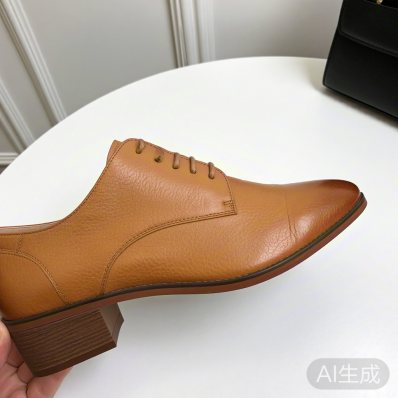
With the recent frequent occurrence of abnormal weather conditions, many leather footwear material manufacturers have reported to us: despite having implemented anti-mold measures, their products still suffer from widespread mold growth during export transportation, resulting in significant economic losses. Why do traditional anti-mold methods fail repeatedly? Today, we will analyze the industrys pain points and introduce the innovative Mold-Lock Technology systematic solution.
1. Three Major Challenges in Anti-Mold Protection for Leather Footwear Materials
Hidden Risks in the Production Process
Improper moisture content control after leather tanning (ideal value should be ≤12%)
Lack of temperature and humidity management in semi-finished product storage areas
Substandard cleanliness in processing workshops
Environmental Threats in Storage and Transportation
Relative humidity in warehouses often exceeds the critical 75% threshold during rainy seasons
Container rain phenomenon caused by temperature fluctuations in shipping containers
Traditional desiccants reaching moisture absorption saturation within 48 hours
Limitations of Existing Solutions
Limited effectiveness of using anti-mold products or desiccants alone
Lack of comprehensive humidity monitoring throughout the process
Anti-mold measures and packaging design not systematically integrated
2. Four Core Breakthroughs of Mold-Lock Technology
Intelligent Humidity Control System
Utilizes third-generation biochemical desiccants, improving moisture absorption efficiency by 40%
Built-in humidity indicator cards for real-time monitoring of packaging environment
Patented slow-release technology extends effective duration to 90 days
Dual-Effect Protection Mechanism
Scientific ratio of anti-mold sheets (mold-inhibiting protection) and desiccants (moisture absorption)
Automatically calculates optimal usage based on product volume
Special breathable packaging design prevents condensation
End-to-End Anti-Mold Management
Production side: Raw material pretreatment + workshop environment control
Storage side: Intelligent dehumidification + scientific stacking solutions
Transportation side: Dedicated anti-mold combination packs for containers
Digital Tracking System
Each batch of products equipped with anti-mold effect tracking codes
Real-time environmental data monitoring via mobile devices
Automatic alerts for abnormal conditions
3. Case Study: Transformation Results of an Export-Oriented Footwear Manufacturer
After adopting Mold-Lock Technology, a medium-sized leather footwear material factory in Guangdong achieved the following:
Production defect rate reduced from 8.7% to 1.2%
Zero complaints about mold in shipping containers
Client inspection pass rate increased to 99.5%
Annual savings of approximately ¥370,000 in mold-related losses
4. Special Reminder: Proper Handling of Mold-Affected Products
For Minor Mold Growth:
Immediately use professional mold-removal cloths for gentle wiping
Place in a ventilated environment (humidity ≤65%)
Double the anti-mold combination when repackaging
For Severe Mold Growth:
Isolate affected products to prevent cross-contamination
Delegate to professional agencies for deep cleaning
Investigate the root cause of mold and improve processes
5. Industry Recommendations
Establish standard operating procedures (SOP) for anti-mold measures
Regularly train frontline operators
Invest in environmental monitoring equipment
Build long-term partnerships with professional anti-mold service providers
The above methods and suggestions are for reference only. Actual implementation may require adjustments based on specific circumstances. To ensure accuracy and effectiveness, we recommend contacting besters professional team for tailored guidance and support.—bester Anti-Mold Sheets