
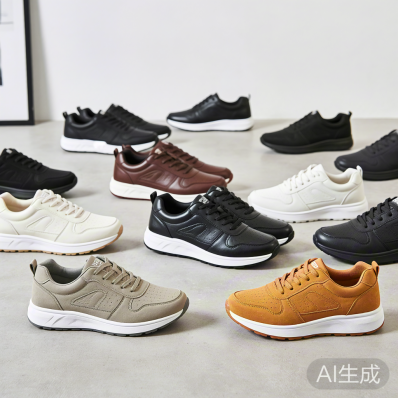
Are Your Shoes Silently Molding in Humid Storage? Unveiling Smart Dehumidification and Anti-Mold Solutions
Smart Dehumidification and Anti-Mold Solutions: Say Goodbye to Shoe Storage Mold Issues
Recent persistent rainy weather across many regions has kept air humidity levels high, causing numerous footwear manufacturers to face storage challenges: raw materials and finished products quietly develop mold in warehouses, leading to delayed orders and frequent customer claims. How can businesses address storage mold prevention cost-effectively and efficiently? This article combines industry practices to unveil a smart combination solution of anti-mold strips + biochemical desiccants, helping companies build a mold-protected storage environment.
1. The Mold Trap of Humid Storage: Humidity Is the Key Trigger
Mold growth requires two conditions: humidity > 60% and suitable temperature (20-30°C). Experimental data show that when storage humidity exceeds the warning threshold for an extended period, mold spores can attach to shoe surfaces within 24 hours and form visible mold spots within 72 hours. Traditional methods like spreading lime or opening windows for ventilation are unstable and environmentally polluting, making them ineffective against extreme weather.
2. Smart Anti-Mold Solution: The Golden Duo of Mold Inhibition + Moisture Absorption
Mold prevention requires cutting off molds survival conditions at the source. We recommend the 1+1 combination of anti-mold strips + biochemical desiccants:
1. Features of Anti-Mold Strips
Core function: antimicrobial protection and mold inhibition. By slowly releasing organic bio-enzymes, it forms a mold-inhibiting barrier in enclosed spaces, lasting over 8 months. It is especially suitable for mold-prone materials like leather and fabric. Note: It does not absorb moisture and must be used with moisture-absorbing materials.
2. Features of Biochemical Desiccants
Core function: rapid moisture absorption. Made of natural mineral components, it efficiently absorbs airborne moisture, reducing local humidity to a safe range of 40%-50%, but it does not inhibit mold growth. Recommended to be placed in a 1:1 ratio with anti-mold strips.
Test data: After implementing this solution in a footwear export companys storage area, the mold rate dropped from 15% to below 2%, reducing monthly losses by over ¥300,000.
3. Emergency Mold Treatment: The Secret Weapon for Quick Damage Control
Even with precautions, localized mold may still occur during extreme weather. Immediate action is needed to prevent spread:
bester Mold Removal Cloth: Contains nano-scale mold-removal agents that quickly help address mold on surfaces, addressing mold spots in 30 seconds without leaving traces. No rinsing is needed after wiping—just air-dry. Suitable for delicate areas like shoe surfaces and linings.
Follow-Up Protection: After treatment, reapply the anti-mold strip + biochemical desiccant combo and check storage humidity monitoring data to ensure sustained compliance.
4. Anti-Mold Management: Details Make the Difference
Mold prevention is not just a technical issue but also a management one. Companies must establish standardized processes:
Zoned Control: Divide areas by material type and storage duration, increasing combo packs in high-risk zones (e. g., leather shoes).
Regular Inspections: Weekly checks on storage humidity and anti-mold strip status, replacing expired products promptly (discolored strips indicate replacement needed).
Staff Training: Ensure frontline workers understand combo pack ratios (e. g., 1 strip + 1 desiccant per pair of shoes) and mold removal cloth usage.
Supplier Selection: Prioritize anti-mold products with international certifications (e. g., SGS, Intertek), such as bester Anti-Mold Strips, which comply with EU REACH and RoHS standards, reducing export risks.
Conclusion
Mold in humid storage is fundamentally a dual challenge of humidity and microorganisms. By scientifically combining anti-mold strips with biochemical desiccants, improving emergency response, and strengthening detail management, companies can build a cost-effective, high-efficiency smart anti-mold system. With climate anomalies becoming the norm, proactive prevention is more economical than post-damage fixes. We recommend businesses promptly assess their storage environments and upgrade anti-mold solutions to avoid greater losses.