
Short answer: Choose a desiccant supplier on written SGS, REACH SVHC, and DMF documents, lead time, and whether they also supply vapor-phase anti mold products. Desiccant capacity and mold inhibition are different jobs.
Key Criteria for Evaluating a Desiccant Supplier
| Area | Check | Why |
|---|---|---|
| Certifications | REACH, DMF-free, ISO 9001/14001 | Market access & system maturity |
| Capacity | Monthly output, lines, surge ability | Peak-season delivery |
| R&D | Formula & custom testing | Differentiation |
| QC | Lot tests, COA, retain samples | Consistency |
| Service | Response, tech support, after-sales | Long-term partnership |
OEM vs ODM: What's the Difference?
OEM means you specify design/formula and the factory builds to print. ODM means you select from the factory's proven designs and brand them. Choose OEM when you need unique chemistry or pack geometry; choose ODM when speed-to-market matters more than bespoke R&D.
Quality Control Checklist
- Lot COA / outgoing inspection report on every batch
- Third-party verification of absorption or anti-mold performance when contracts require it
- Pack drop / vibration integrity tests
- Retain samples for ≥ 12 months
- Defect rate target < 0.3%
- Annual refresh of REACH compliance and DMF-free reports
MOQ, Lead Time, and Pricing
| Item | Industry typical | Bester |
|---|---|---|
| MOQ | 5,000–10,000 pcs | Flexible / negotiable |
| Lead time | 20–35 days | Often 15–30 days |
| Payment | 30% deposit + 70% before ship | Negotiable |
| Samples | Paid samples common | Free sample programs available |
Red Flags to Watch For
- No third-party lab reports
- Prices far below market with vague chemistry
- No verifiable factory address or refusal of audits
- Expired certificates or unverifiable seals
- Unwillingness to provide lot traceability
Bester's B2B Capabilities
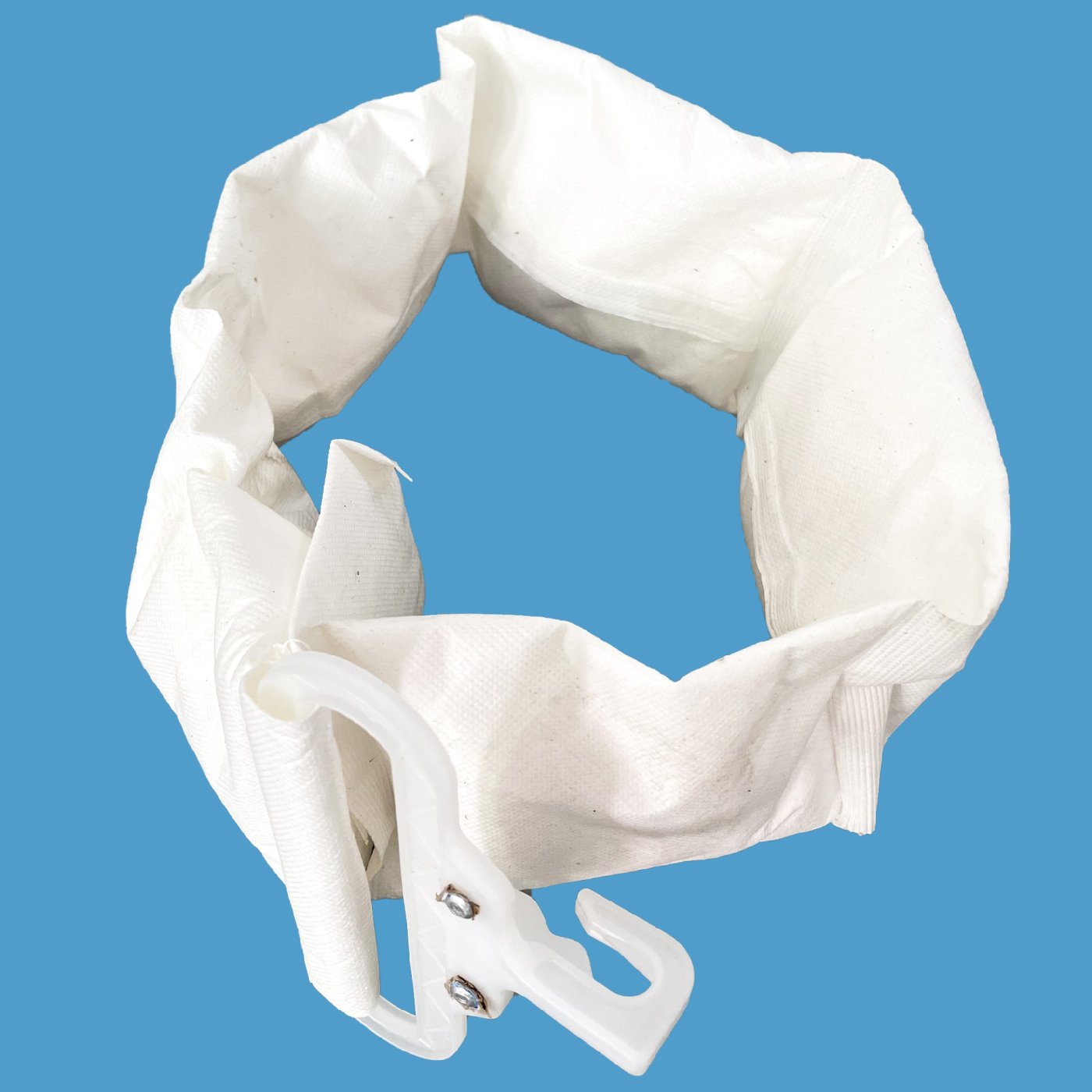
As a desiccant manufacturer with in-house lines and multi-million monthly piece capacity, Bester supports OEM/ODM programs with REACH-oriented and DMF-free documentation. Core SKUs include anti mold chip A505, anti mold bag C304, and container desiccant poles for ocean freight. Export footwear and leather buyers use these layers together: box-level vapor-phase protection plus container-scale moisture control.
Request OEM samples and a supplier questionnaire pack for your next audit cycle.
Scorecard Template for Supplier Reviews
Score each shortlisted factory on certifications (25%), capacity & lead time (20%), QC systems (20%), technical support (15%), price transparency (10%), and audit cooperation (10%). Require on-site or video audits for any supplier over a spend threshold. Keep a backup vendor qualified so a single factory outage does not stop peak-season bookings.
During commercial negotiation, lock sample lead times, artwork approval SLAs, and claim investigation timelines in writing. Ambiguous “best effort” language is a red flag when mold claims need lot traceability within days.
Building a Layered Product Map with One Partner

Many footwear exporters prefer one manufacturer that can supply box-level vapor-phase anti mold products and container-scale calcium chloride poles together. That simplifies audits, freight of packaging materials, and training. Bester’s catalog is structured for that layered map—chip/bag for the shoe box, poles for the steel box—without pretending silica gel is an anti-mold solution.
Technical Support Expectations in the Contract
A strong desiccant supplier answers dosage questions with lane-specific reasoning, not only a price list. Require written recommendations for 20ft/40ft pole counts, shoe-box chip/bag placement, and what not to mix (for example, treating silica gel as anti-mold). Put response-time targets in the contract for claim investigations.
Ask for training materials your packing supervisors can post on the line. Suppliers that only email a catalog PDF rarely reduce claim rates. Suppliers that provide hang maps, sealing checklists, and multilingual how-to cards usually do.
Total Cost of Ownership Beats Unit Price
Compare annual cost of packaging aids plus historical moisture/mold claims, not cents per piece alone. A 10% cheaper pole that forces you to double dosage—or that leaks—loses quickly. Include freight of packaging materials, customs delays from missing documents, and audit labor in the TCO model.
When you shortlist two factories, run parallel sample lots into the same humidity trial. Keep the winner’s retain samples and report IDs in your PLM or quality system so next year’s tender starts from evidence, not memory.
Close the loop after onboarding: schedule a 90-day review covering on-time delivery, COA completeness, sample claim support, and any chemistry or artwork changes. Suppliers that treat the first PO as the end of selling rarely stay reliable in year two. Prefer partners who join your pre-season readiness call with packaging, QA, and logistics in the same meeting.
If you are building a dual-source strategy, qualify a primary OEM for chips/bags and confirm the same partner—or a documented backup—can supply container poles with matching compliance paperwork. Fragmented vendors increase the chance that one lane ships without poles while boxes are correctly packed, leaving container rain unaddressed.
For factories & exporters
Home mold cleaning is not the same as export packing mold control. If you run a shoe factory or brand program, use vapor-phase anti-mold inserts (not silica gel alone) before sealing boxes.
Anti mould bag hub · A505 chip · C304 bag · A505 vs C304 trial · Why silica fails · Buyer FAQ ·