
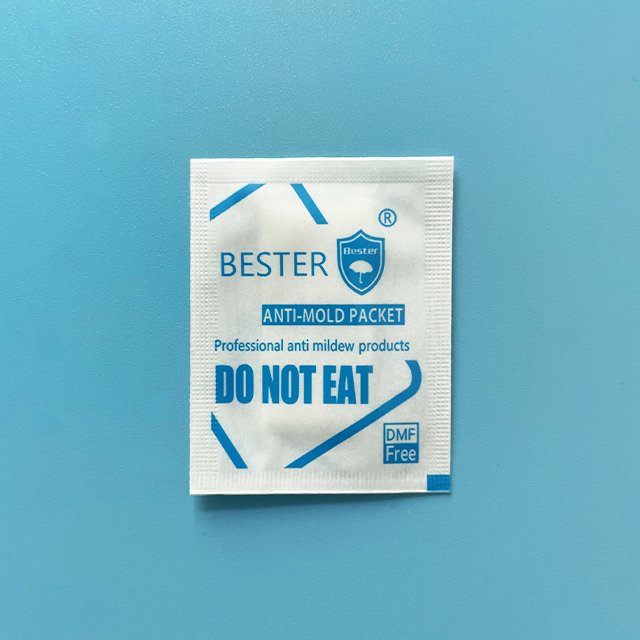
Short answer: DMF-free and REACH-documented desiccants are an import-file requirement, not a mold-prevention plan. Ask for current SGS REACH SVHC and DMF results, then still pack an anti mold chip in the shoe box.
What Is DMF and Why Is It Banned?
DMF (dimethyl fumarate) was historically misused in some anti-mold sachets and stickers. After European consumer injury cases in 2008–2009, EU measures (including Decision 2009/251/EC) restricted DMF in consumer products. Brand programs for footwear and leather now treat DMF-free documentation as a baseline, not a nice-to-have.
REACH Regulation and Desiccant Imports
REACH (Registration, Evaluation, Authorisation and Restriction of Chemicals) governs chemicals placed on the EU market. Desiccants and anti-mold packaging aids used with consumer goods commonly need REACH-oriented statements, SVHC screening evidence, and supporting test reports. Non-compliant chemicals can trigger customs holds, rejected shipments, or failed brand audits—even when the shoes themselves are well made.
How to Verify DMF-Free Claims
- Request third-party reports (SGS / TÜV / Intertek class labs).
- Confirm DMF is listed with a detection limit appropriate for the method (often ≤ 0.1 mg/kg).
- Collect REACH SVHC screening declarations covering the current candidate list scope your customers require.
- Re-test on a schedule—do not rely on a single report from years ago.
Bester's Compliance

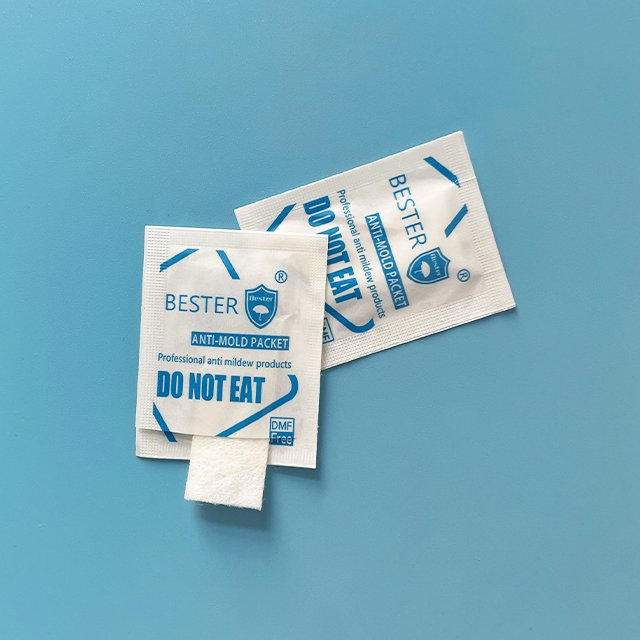
Bester supplies DMF-free, REACH-oriented documentation across core export SKUs, including REACH compliant anti mold chip A505, DMF-free anti mold bag C304, and DMF-free desiccant hybrid absorbers. Factory systems follow ISO 9001 practices, and lot paperwork can be provided for brand audits. Learn more about us as a desiccant manufacturer.
Risk of Non-Compliant Desiccants
| Risk | Consequence |
|---|---|
| Customs hold | Demurrage and missed delivery windows |
| Product recall | Retail pullbacks and scrap |
| Brand damage | Buyer complaints and media risk |
| Legal exposure | Fines under market regulations |
| Lost B2B accounts | Nominated-supplier status revoked |
Compliance is part of moisture/mold risk management: a cheap non-documented packet can cost more than the cargo it was meant to protect. Ask for current reports before awarding annual contracts.
What Procurement Should File in the Vendor Pack
A practical compliance binder for desiccants and anti-mold aids usually includes: company ISO certificate, latest REACH SVHC screening, DMF-free report, MSDS/SDS, packing specification, and a change-notification clause if chemistry or substrate changes. Ask suppliers to map each SKU code to the exact report lot—generic PDFs without SKU linkage fail many brand portals.
For multi-country shipping, confirm whether US or other market customers have additional restricted substance lists beyond EU REACH. Align the strictest common denominator so one SKU can serve multiple brand programs without rework.
Connecting Compliance to Moisture Strategy
Compliance paperwork does not replace correct dosage. A REACH-documented pole that is never hung still allows container rain. Likewise, a DMF-free anti mold bag left outside an open shoe box will not protect the pair. Train purchasing, QA, and packing to treat documents and placement as one system.
Factory Audit Questions That Surface Fake Certificates
Ask where testing was performed, which SKU and lot were sampled, and whether the lab is accredited for the method cited. Request the raw chromatogram summary pages, not only a front certificate cover. Verify company names match the invoice entity. If a trading company cannot introduce the actual factory, treat compliance claims as unverified.
During on-site audits, walk the incoming chemical storage and check labels against the SDS. Confirm retain-sample rooms are organized and that COAs are issued per lot. A clean showroom with no production traceability is a classic risk pattern.
Finally, align legal and QA: purchasing should not approve a cheaper substitute mid-season without re-running DMF and SVHC screens. Silent chemistry swaps are how previously compliant programs suddenly fail European screening.
Why Footwear Brands Care More Than Ever
Footwear and leather brands face consumer safety expectations and retailer scorecards. A packaging aid that causes skin reactions or fails restricted substance testing can stop an entire collection at DC inbound. Investing in documented DMF-free and REACH-oriented suppliers is cheaper than a recall webinar with retail partners.
Keep a calendar reminder to refresh REACH and DMF files before peak booking season. Expired certificates are a common reason brand portals reject packaging BOM updates at the worst time. Store PDFs with SKU, lab name, and report date in the filename so anyone on the team can find the current pack in seconds.
If a customer asks only for “desiccant SDS,” still attach anti-mold SKU files when those products are in the same shipment—auditors often sample randomly from the packing list.
When switching suppliers, quarantine remaining old stock until the new DMF-free and REACH files are approved in the brand portal. Do not blend lots from two chemistries in one export carton if the customer forbids it. Clear labeling on outer cartons of packaging aids prevents warehouse mix-ups during peak season.
Limitations: When This Approach Does Not Apply
- A DMF-free or REACH file does not stop mold. Compliance documents are not a humidity plan.
- Certificates apply to the tested batch and method. Ask for the current SGS pack.
- Switching desiccant chemistry does not replace a vapor-phase anti mold chip in the shoe box.
According to test report No. 2025FM00761R01D from Guangdong Provincial Microbiological Analysis and Testing Center (method DA/T 26-2000, issued 2025-02-26) — Mold Growth Rating: Grade 0, 28-day test, 8 mold species, tested on paper/cloth/leather — all three materials showed zero visible mold growth, A505 anti-mold chips inhibit spore germination throughout the test period. According to SGS REACH SVHC test (report No. CANAF26001423003), 251 SVHC substances plus 4 potential SVHC were not detected (≤ 0.1% w/w). DMF was not detected per SGS report No. CANAF26001423001 (< 0.1 mg/kg).
FAQ
What is a DMF-free desiccant?
It is a desiccant whose dimethyl fumarate content is not detected at the test limit (typically < 0.1 mg/kg). DMF was used as an anti-mold biocide and is restricted in the EU.
Does REACH apply to desiccants in shoe boxes?
Yes, as imported articles or mixtures. Buyers usually ask for SVHC screening (currently 251 substances plus listed potentials) showing each item ≤ 0.1% w/w.
Does a REACH certificate stop shoes from getting moldy?
No. REACH and DMF files are chemical-compliance documents. They do not inhibit spores. Use a vapor-phase anti mold chip for prevention.
How do I verify a supplier’s DMF-free claim?
Ask for the current SGS report, the test method, the batch, and the date. A logo on a brochure is not a test result.
Sources and Further Reading
- Guangdong Provincial Microbiological Analysis and Testing Center (Report No. 2025FM00761R01D, 2025) — Mold Growth Rating Test, Grade 0 (28 days, 8 species, paper/cloth/leather)
- REACH SVHC Compliance Test (SGS report No. CANAF26001423003) — 251 SVHC substances + 4 potential SVHCs, all not detected (≤ 0.1% w/w)
- DMF Content Test (SGS report No. CANAF26001423001) — not detected (< 0.1 mg/kg)
For factories & exporters
Home mold cleaning is not the same as export packing mold control. If you run a shoe factory or brand program, use vapor-phase anti-mold inserts (not silica gel alone) before sealing boxes.
Anti mould bag hub · A505 chip · C304 bag · A505 vs C304 trial · Why silica fails · Buyer FAQ ·