
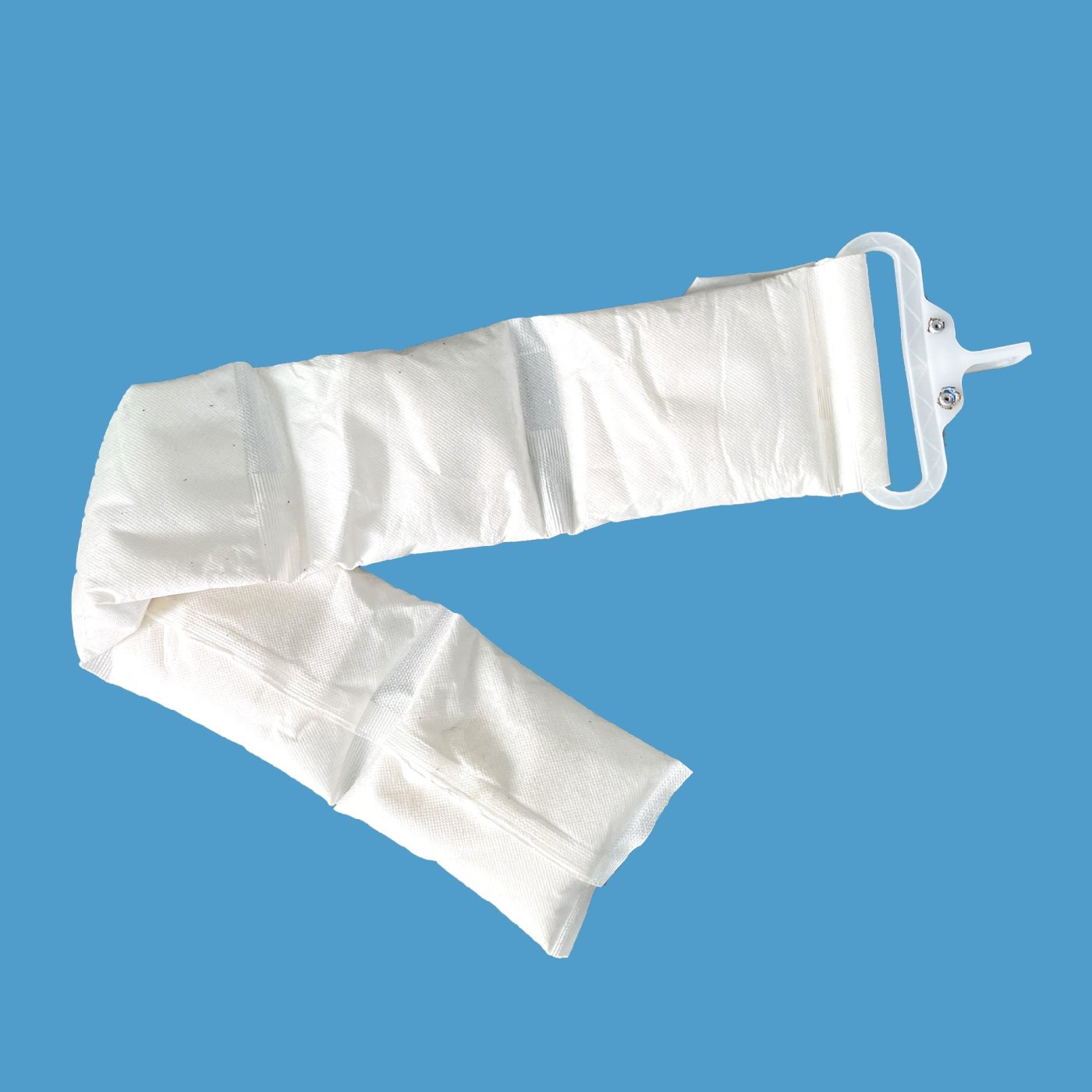
Short answer: Desiccant packets are small sealed bags of moisture-absorbing material (silica gel, clay, or calcium chloride) placed in product packaging to lower humidity and slow rust, warping, and dampness. In footwear export, 1–10 g silica or hybrid packets go in shoe boxes; they do not kill or inhibit mold spores.
Types of desiccant packets
| Type | How it holds water | Typical use |
|---|---|---|
| Silica gel | Adsorption on silica pores | Shoe boxes, electronics, consumer goods |
| Clay | Mineral adsorption | Cost-sensitive cartons |
| Calcium chloride | Deliquescence, high capacity | Container poles, very wet air |
| Molecular sieve | Uniform pores, low residual RH | Specialty / electronics |
Bester carton SKU: SiO2 + SAP hybrid. Container scale: calcium chloride poles. REACH SVHC Compliance Test (SGS report No. CANAF26001423003) — 251 SVHC substances + 4 potential SVHCs, all not detected (≤ 0.1% w/w) (SGS report No. CANAF26001423003). DMF Content Test (SGS report No. CANAF26001423001) — not detected (< 0.1 mg/kg). According to test report No. 2025FM00761R01D from Guangdong Provincial Microbiological Analysis and Testing Center (method DA/T 26-2000, issued 2025-02-26) — Mold Growth Rating: Grade 0, 28-day test, 8 mold species, tested on paper/cloth/leather — all three materials showed zero visible mold growth, A505 anti-mold chips inhibit spore germination throughout the test period.
How desiccant packets work
Water vapor enters the breathable film and binds to the absorbent. Capacity is finite. Indicating silica changes color when spent. A saturated packet in a wet container is a spent packet.
Common uses in export packaging
Shoe boxes, handbags, belts, garments, and spare-part kits. Factories often already use silica. Mold complaints then appear because RH control ≠ spore control. Pair packets with A505 or C304.
How to choose the right desiccant
- Measure the closed volume (box or carton).
- Note voyage days and destination climate.
- Choose packet vs pole: box vs steel container.
- Add vapor-phase chips if the complaint is mold, not only dampness.
- Request REACH/DMF files if the buyer is EU/US retail.
Limitations: What Desiccant Packets Cannot Do
- They absorb moisture only. They do not kill or inhibit mold spores.
- Capacity is limited; color-indicating silica shows saturation.
- In air above about 80% RH, packets are not enough. Use poles plus chips. See silica gel still moldy.
- Do not eat packets. Silica gel is generally low-toxicity but keep away from children. Calcium chloride liquid from poles is irritating — not a toy.
FAQ
- What are desiccant packets made of?
- A breathable pouch plus silica gel, clay, molecular sieve, or calcium chloride. Hybrid packets add polymer (SAP) for extra capacity.
- How long do desiccant packets last?
- Until they reach water capacity. Dry storage: months. A wet container: weeks. Replace each shipment if the lane is humid.
- Are silica gel packets toxic?
- Industrial indicating packets are not food. Do not eat them. They are not a poison in the household-cleaner sense, but they are not candy.
- Can you reuse desiccant packets?
- Oven-dry regeneration exists for some silica grades. Factory packing usually uses new packets. Do not reuse saturated calcium chloride poles.
- How many desiccant packets do I need per shoe box?
- Often one small packet per adult box, plus a chip if mold is the risk. Share inner volume for a dosage note.
Sources and Further Reading
- SGS Grade 0; REACH SVHC 251+4 not detected; DMF not detected.
- Bester desiccant and anti-mold pairing articles, 2026.
For factories & exporters
Home mold cleaning is not the same as export packing mold control. If you run a shoe factory or brand program, use vapor-phase anti-mold inserts (not silica gel alone) before sealing boxes.
Anti mould bag hub · A505 chip · C304 bag · A505 vs C304 trial · Why silica fails · Buyer FAQ ·