
Short answer: Leather shoes mold in the warehouse when RH stays high, cartons sit on wet floors, or packing seals in moisture. Control warehouse humidity, and put anti mold chips in boxes before long dwell.
When monsoon humidity or post-rain warehouse spikes hit, leather footwear often molds even after “basic” desiccant packing. For brand QA and export factories, mold means claims, rework, and missed ship windows—not a cosmetic issue.
This guide explains why leather shoes mold in warehouses, and how to build a dual protection stack: environment control + in-box vapor-phase anti-mold + container desiccants for ocean legs.
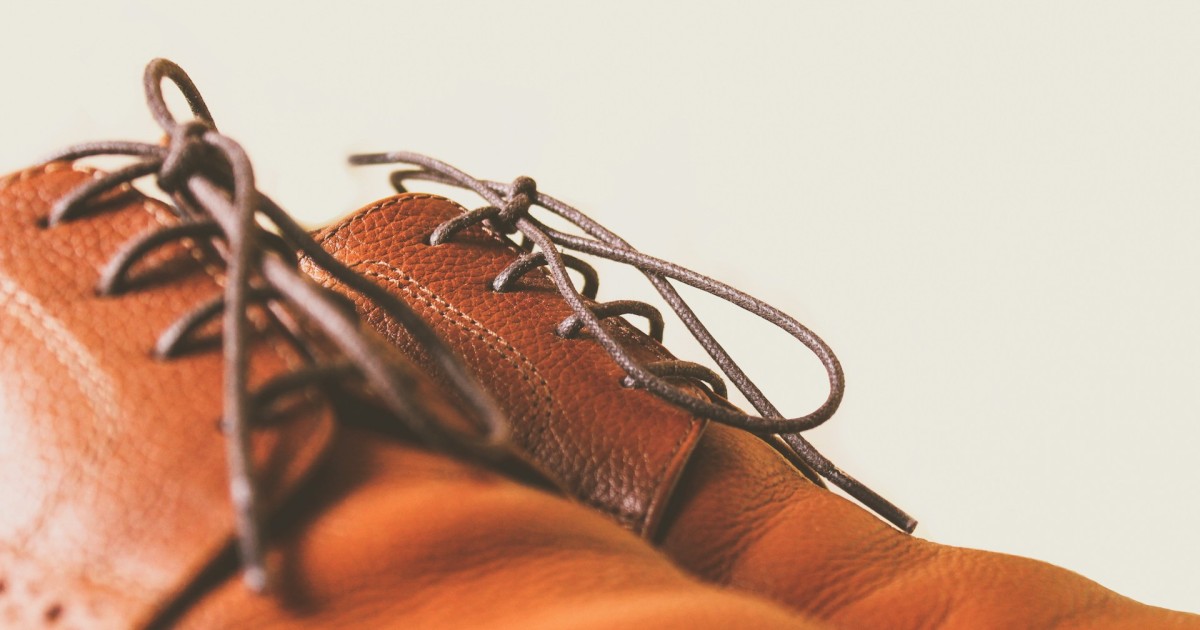
Why warehouse leather shoes mold so easily
Leather, adhesives, and textiles feed mold spores. Risk jumps when:
- RH above 65% — after rain or without industrial dehumidification, zones can exceed 80% RH.
- Poor airflow — cartons stacked to walls (<50 cm), no pallets, or “solid” cube stacking traps moisture.
- Temperature swings — condensation on metal racks drips into shoe boxes.
- Single-layer protection — desiccant only (moisture) or anti-mold chips only (inhibition) is incomplete.
Four-step factory playbook
1. Stabilize warehouse humidity
Target 40–50% RH for leather goods. Use industrial dehumidifiers with sensors; keep goods on pallets (≥15 cm off floor) and ≥50 cm from walls. Leave air gaps between carton stacks.
2. Dual protection inside the shoe box
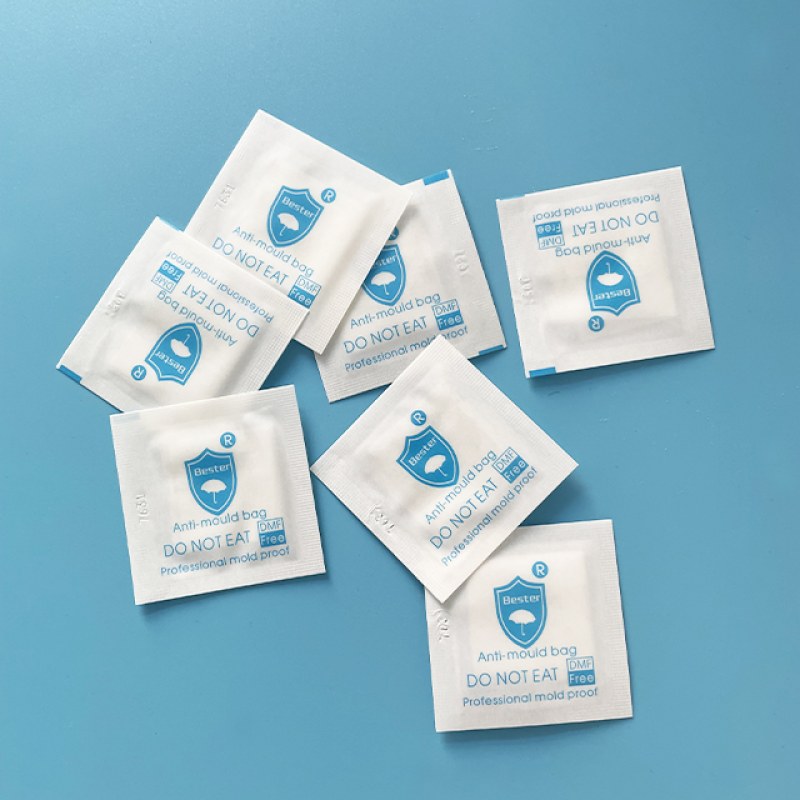
Use vapor-phase Bester A505 anti-mold chips for peak humidity seasons, or cost-efficient C304 anti-mold pouches for cooler seasons — plus hybrid desiccant for moisture load. Anti-mold inhibits spores; desiccant pulls water. You need both.
3. Container rain on ocean freight
Even a dry warehouse fails if the container rains. Hang container desiccant strips for long sea legs; keep in-box protection sealed until arrival.
4. Incoming QC and packing SOP
Reject wet cartons, log RH at packing, and train lines to place chips/pouches before sealing. Spot-check random boxes after 24–48 hours in humid seasons.
Quick checklist for QA managers
- Warehouse RH logged daily (alarm at 60%+)
- One A505/C304 unit per shoe box (seasonal SKU)
- Desiccant sized to carton volume — not “one tiny pack for everything”
- Container strips on FCL/LCL ocean shipments
- Photo evidence of packing for claim defense
Need samples or a packing recipe for your SKU mix? Contact Bester for factory-side guidance.
For factories & exporters
Home mold cleaning is not the same as export packing mold control. If you run a shoe factory or brand program, use vapor-phase anti-mold inserts (not silica gel alone) before sealing boxes.
Anti mould bag hub · A505 chip · C304 bag · A505 vs C304 trial · Why silica fails · Buyer FAQ ·